
REVIEW · AUSTRALIA SNORKELING TOURS
Byron Bay: Nguthungulli Julian Rocks Snorkeling Tour
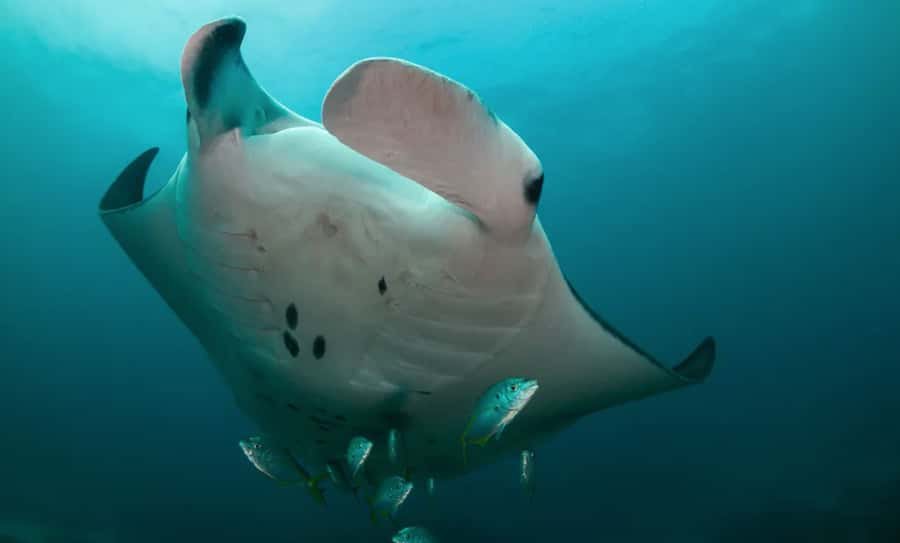
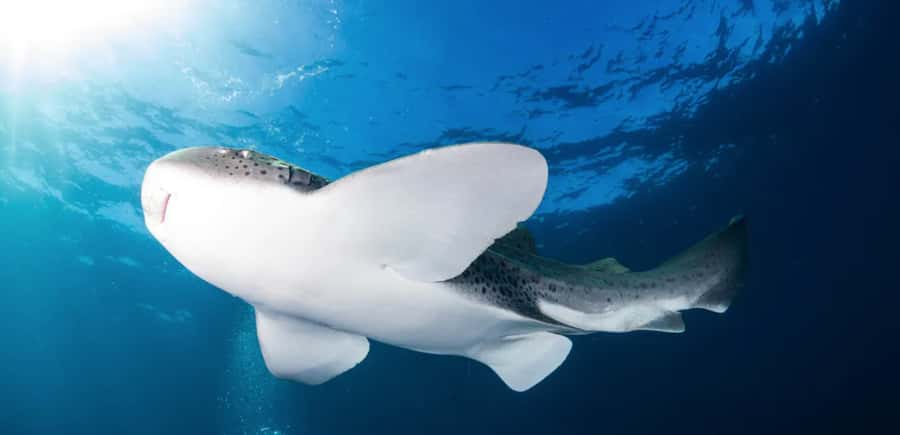
Nguthungulli Julian Rocks is the star here: a compact marine reserve where sea turtles, leopard sharks, manta rays, rays, and hundreds of fish species may appear in the same outing. The setting changes with the seasons, so summer can bring leopard sharks and manta rays, while winter may bring grey nurse sharks and humpback whales.
I like the small group of no more than 10 people, which gives the guide a fair chance to point out wildlife. I also like the Turtle School angle, since you are not just looking at animals. You learn how to identify local turtles and contribute photographs and sightings to conservation work.
The main catch is the ocean itself. You must swim at least 200 metres without help in open water, and waves, surge, and currents can make the outing demanding. This is not a gentle pool session, and cancellation or rescheduling is possible when conditions turn rough.
Key points at a glance
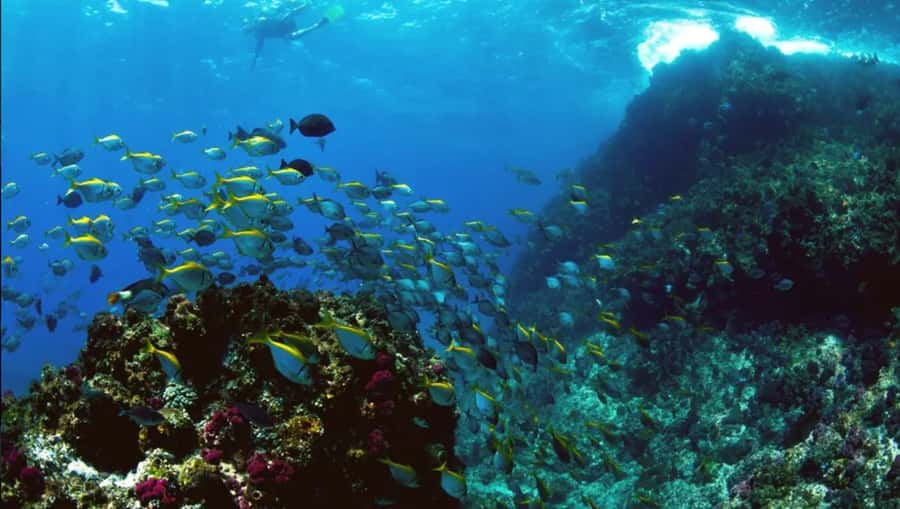
- Nguthungulli Julian Rocks: Explore one of Australia’s oldest aquatic reserves, only a short boat ride from Byron Bay.
- Wildlife changes by season: Summer offers good chances for leopard sharks and manta rays, while winter may bring grey nurse sharks and humpback whales.
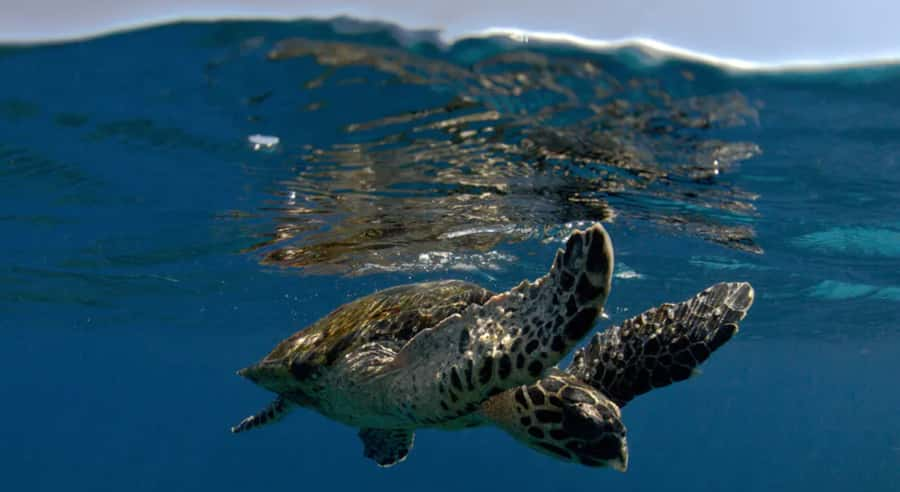
- Turtle School included: Learn to identify loggerhead, green, and hawksbill turtles and support citizen science.
- Small-group format: The boat and snorkel group are limited to 10 participants.
- Good practical setup: Wetsuit, fins, mask, snorkel, guide, boat ride, water, lockers, and transport to the launch site are included.
- Swimming ability matters: You need to manage 200 metres in open ocean and step into the boat from shore with water up to your waist.
Why Nguthungulli Julian Rocks is such a special snorkel site
Nguthungulli Julian Rocks sits off Byron Bay inside a marine reserve with more than 1,000 recorded marine species. That number matters because it explains why the outing is about more than one headline animal. You might be watching a turtle one moment, then notice a ray, a wobbegong shark, or a school of tropical fish nearby.
The reserve supports more than 500 species of tropical and temperate fish. It also provides habitat for loggerhead, green, and hawksbill turtles, along with several shark and ray species. The mix of warmer and cooler water helps create an unusually varied marine community for a site reached so quickly from town.
I like this kind of setting because wildlife is not treated as a guaranteed stage show. The conditions and season shape what you see. That makes the experience less predictable, but also more natural. The strongest outings can include leopard sharks, manta rays, turtles, and large schools of fish, but you should book for the protected habitat and guided water time, not for a promised animal checklist.
A few more days in the water around Australia worth a look
- Ocean Rafting: Whitehaven Beach, Snorkelling & Hill Inlet Lookout
★ 5.0 · 4,777 reviews - Great Barrier Reef Snorkeling and Diving Cruise from Cairns
★ 4.5 · 3,714 reviews - Whitehaven Beach and Hill Inlet Lookout Snorkeling Cruise
★ 5.0 · 2,953 reviews
From 5 Marvell Street to the launch point
Your morning or afternoon begins at the shop at 5 Marvell Street in Byron Bay. From there, the operator provides transport to the launch area at The Pass. The van ride takes about 15 minutes each way, so you do not need to arrange your own transfer from the shop.
That short transfer is useful if you are staying in Byron Bay and prefer not to carry wet gear through town. It also keeps the outing simple: meet at one central address, collect equipment, ride to the water, then return to the same shop after the session.
Parking is not included, and public parking fees apply in Byron Bay. If you bring a car, allow time to find a space and walk to 5 Marvell Street. Hotel pickup and drop-off are not part of the price, so you need to make your own way to the meeting point.
The boat launches from the shore at The Pass. You must be able to step up into the boat while the water reaches about waist height. That detail is easy to overlook, but it is important for anyone with limited mobility, back problems, or difficulty boarding small boats.
What the three-hour outing feels like
The full experience lasts about three hours, including the van rides and preparation. The actual snorkel at Nguthungulli Julian Rocks lasts about one hour, with a guide in the water for the whole snorkel.
That gives you enough time to look for animals without turning the outing into an all-day commitment. I see this as a good fit if you want to leave room for Byron Bay beaches, a meal, or another activity later. It is also short enough to suit people who are curious about marine life but do not want a full-day boat excursion.
The included gear removes several practical hassles. You receive fins, a mask, snorkel, and wetsuit, and water is available onboard. Lockers and wet and dry storage are provided at the shop, so you can manage your belongings without bringing a large bag onto the boat.
Bring swimwear, a towel, sunscreen, and a sun hat. A waterproof camera is allowed and can be useful during the Turtle School identification work. Still, keep your attention on the guide and the animals rather than trying to photograph every moment.
Turtle School turns sightseeing into citizen science
Turtle School is the most distinctive part of this outing. Before or around the snorkel session, you learn some of the biology and ecology of local sea turtles, including how to identify them. The focus includes loggerhead, green, and hawksbill turtles.
Once you are in the water, you can put that knowledge to use. You practice recognizing turtles and taking responsible photographs that may help with photo identification. Your participation and records support conservation work involving critically endangered animals.
I like this approach because it gives the wildlife encounter a purpose beyond taking pictures. You leave with a better sense of what you are seeing and why accurate identification matters. It also encourages a careful approach in the water, with the guide helping you observe rather than chase or touch animals.
The program operates under an NSW government permit for scientific research. That does not guarantee a particular sighting, but it does show that the conservation work is tied to an authorized research effort rather than being an informal add-on.
Same water, a different way to get in it:
- Airlie Beach: Snorkel, Hill Inlet Lookout & Whitehaven Beach
★ 4.8 · 2,119 reviews - Ocean Freedom Great Barrier Reef Luxury Snorkel and Dive Cruise
★ 5.0 · 1,895 reviews - Cairns: Premium Snorkelling and Diving Reef Day Trip
★ 4.7 · 1,528 reviews - Cairns: Outer and Coral Cay Snorkel and Dive Cruise
★ 4.8 · 1,467 reviews
The animals you might see by season
Summer is the strongest period for leopard sharks and manta rays. These animals are often the reason people choose this outing, and the supplied experience information specifically highlights their seasonal presence around the rocks.
Manta rays can make a memorable sighting because of their broad wings and smooth movement. Leopard sharks have a distinctive spotted pattern and are generally calm animals, but all wildlife remains wild and sightings cannot be promised.
Winter brings a different set of possibilities. Grey nurse sharks and humpback whales may gather in the surrounding waters during the colder season. Humpback whales are not necessarily part of the one-hour snorkel itself, so think of them as a seasonal possibility in the wider area rather than a guaranteed underwater encounter.
Turtles, rays, and fish can be found throughout the year. Wobbegong sharks are also part of the reserve’s marine life. The best way to approach the trip is to value variety: a turtle, a ray, or a well-spotted fish can make the outing worthwhile even if the largest animals stay out of sight.
A small group makes the guide’s role count
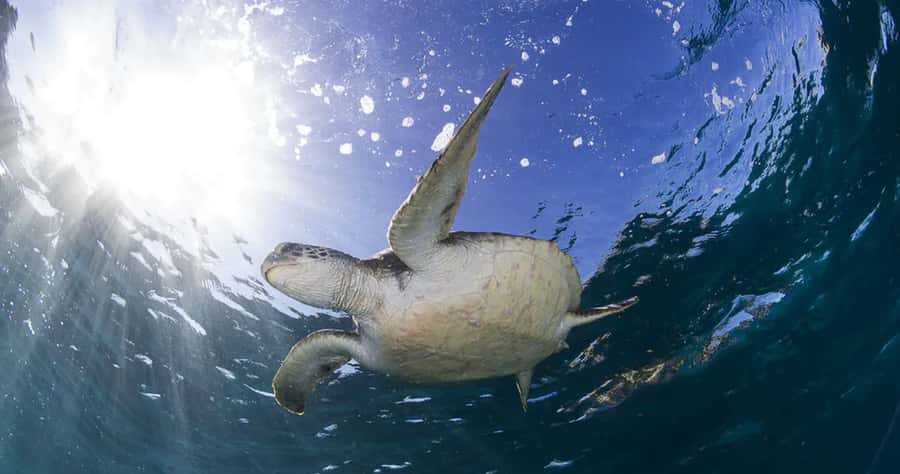
With no more than 10 participants, this is a more personal setup than a large boat tour. A guide remains with you during the snorkel and can indicate interesting animals as they appear. That matters underwater, where a quick hand signal can save you from swimming past a turtle or shark.
The group size also helps the guide keep track of participants in moving water. It does not remove the need for you to swim confidently, but it gives the group a more manageable shape.
The guide’s job is especially important because conditions can change quickly. The ocean may include waves, surge, and current, all within the limits the crew considers safe. You should expect active swimming rather than floating in calm water.
The transport component receives a very strong practical rating, with 86 percent of ratings giving it a perfect score. That fits the design of the outing: the shop, van, boat, equipment, and return transfer are all arranged around a compact schedule.
Safety requirements you should take seriously
You must be able to swim at least 200 metres unassisted in open ocean. This is not a technical test in a pool. It is meant to confirm that you can manage yourself in moving seawater if the group encounters current or surge.
Every participant completes a health questionnaire before snorkeling. The activity is not recommended for people with serious medical conditions, pregnant women, people with back problems, wheelchair users, non-swimmers, or anyone over 70. Children under 10 cannot participate, and children who meet the age requirement must be accompanied by an adult.
These rules may feel strict, but they match the conditions described for the outing. The ability to step from the shore into the boat with water up to your waist is another practical requirement. If you are uncertain about swimming fitness or mobility, ask the operator before booking rather than hoping the crew can make exceptions.
Weather can also change the plan. If poor conditions cause a cancellation, you can choose another date, receive a gift voucher, or request a full refund. One recent booking was moved because of strong currents and rescheduled for the next day, showing why it is wise not to place this activity on the final few hours of your Byron Bay stay.
Is $91 a fair price?
At $91 per person, the price is reasonable for a three-hour marine outing with equipment, transport, a boat ride, a guide, water, and storage included. You are not paying only for access to the water. You are also paying for safety planning, gear fitting, transport to The Pass, and guided wildlife spotting.
The Turtle School component adds value for anyone who wants more than a standard snorkel. You receive practical information about turtle species and may contribute to photo identification work. That gives the activity a conservation purpose that many short marine trips lack.
The price does not include food, hotel pickup, or parking. Those are minor costs compared with the tour itself, but they matter when you are building a day-by-day budget. Eat before or after the outing and arrive at 5 Marvell Street with your own towel, swimwear, sunscreen, and sun protection.
Free cancellation up to 24 hours before departure and a reserve-now, pay-later option make planning easier. The weather policy is also worth noting because ocean conditions are outside the operator’s control.
Who should book this experience?
I would choose this outing if you are a confident swimmer who wants a short, wildlife-focused activity with a conservation element. It suits couples, friends, and families with older children who can handle open water and the boat boarding requirements.
It is also a good choice if you care about learning what you see. Turtle School makes the outing more meaningful for people who enjoy nature photography, species identification, or local conservation.
I would not choose it for a first attempt at swimming in the ocean, a relaxed floating session, or a person who needs step-free access. The boat boarding, shore launch, current, and required swimming distance are real limitations.
The activity is conducted in English, and the format is a small group. If you are comfortable following spoken instructions in English, that should make it easier to respond quickly to the guide in the water.
What the best day of the trip looks like
The strongest version of this outing begins with a free morning or afternoon around the scheduled time, since weather or current can affect the plan. You meet at 5 Marvell Street, use the provided lockers, collect your equipment, and ride to The Pass.
At the reserve, you spend roughly an hour looking for turtles, rays, sharks, and fish while the guide points out wildlife. In summer, keep an eye out for leopard sharks and manta rays. In winter, the wider area may offer grey nurse sharks or humpback whales.
After returning to shore, the van takes you back to the shop. You can then use the wet and dry storage area to organize your belongings before continuing with your day.
Should you book Nguthungulli Julian Rocks?
Book it if you can swim 200 metres in open ocean, manage a shore-to-boat step with waist-deep water, and want a well-organized wildlife outing rather than a guaranteed animal encounter. The combination of a small group, full equipment, guided snorkeling, and Turtle School gives the $91 price solid value.
Think twice if you are a non-swimmer, have serious medical concerns, are pregnant, need wheelchair access, or have only one free morning before leaving Byron Bay. Conditions may force a change of plans.
For the right person, this is one of Byron Bay’s most useful short activities: plenty of marine life, a practical guide, and a chance to contribute to turtle conservation while you explore the reserve.
FAQ
Where does the tour meet?
Meet at the operator’s shop at 5 Marvell Street in Byron Bay.
How long does the experience last?
The full activity lasts about three hours. The van ride takes about 15 minutes each way, and the guided snorkel at Nguthungulli Julian Rocks lasts about one hour.
What equipment is included?
Fins, a mask, snorkel, and wetsuit are included. Water onboard, lockers, and wet and dry storage are also provided.
Is transport to the water included?
Yes. Transport is provided between the shop and the launch site at The Pass. Hotel pickup and drop-off are not included.
What animals might I see?
Possible sightings include sea turtles, wobbegong sharks, manta rays, leopard sharks, other rays, and many tropical and temperate fish. Summer may bring leopard sharks and manta rays, while winter may bring grey nurse sharks and humpback whales.
Do I need to be a strong swimmer?
You must be able to swim at least 200 metres unassisted in open ocean. Conditions can include waves, surge, and current.
Can children join?
Children under 10 cannot participate. Children who meet the age requirement must be accompanied by an adult.
What happens if bad weather cancels the outing?
You can choose an alternative date, receive a gift voucher, or request a full refund if the experience is cancelled because of poor weather.
Just added around Australia
- Busselton Jetty and Underwater Sculptures Snorkel Boat Tour★ 4.5 · 12 reviews
- Julian Rocks: Premier Snorkeling Tour Byron Bay★ 4.5 · 47 reviews
- 3-Hour Kayak and Snorkeling Experience in Batemans Bay★ 5.0 · 16 reviews
- Whitsunday Islands Sail, SUP & Snorkel Tour- Small group★ 5.0 · 64 reviews
- Lady Enid Sailing to Hook Island Cultural Site & Snorkelling★ 4.0 · 14 reviews
- Providence Whitehaven Beach Sailing and Snorkeling Cruise★ 4.0 · 214 reviews
- Lady Enid Sailing and Snorkeling Day Trip including Whitehaven Beach★ 4.5 · 207 reviews
- Outer Great Barrier Reef Snorkel Adventure in Airlie Beach★ 5.0 · 100 reviews
Australia Snorkeling Tours, compared.
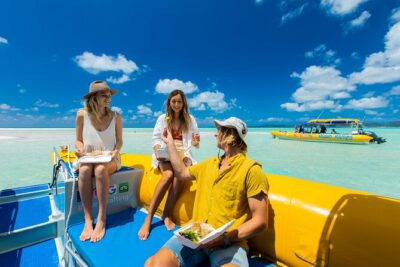
Ocean Rafting: Whitehaven Beach, Snorkelling & Hill Inlet Lookout
Read our review →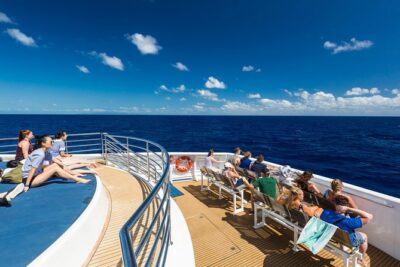
Great Barrier Reef Snorkeling and Diving Cruise from Cairns
Read our review →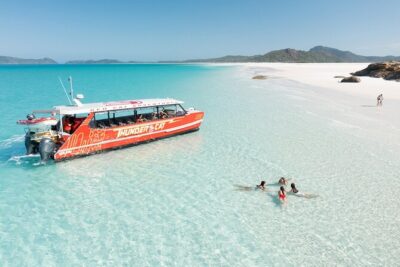
Whitehaven Beach and Hill Inlet Lookout Snorkeling Cruise
Read our review →
Snorkel, Hill Inlet Lookout & Whitehaven Beach
Read our review →
Ocean Freedom Great Barrier Reef Luxury Snorkel and Dive Cruise
Read our review →
Premium Snorkelling and Diving Reef Day Trip
Read our review →
Lists this trip appears in