
REVIEW · TENERIFE SNORKELING TOURS
Tenerife Exclusive Snorkeling Trip with Marine Biologist
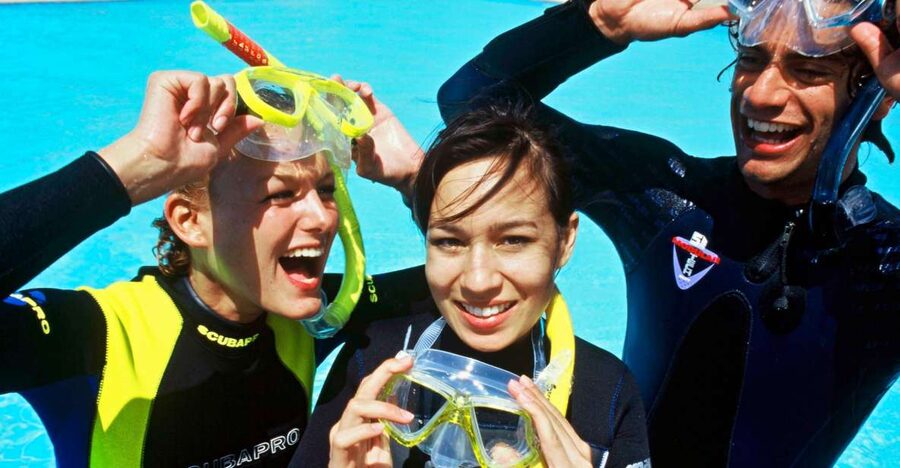
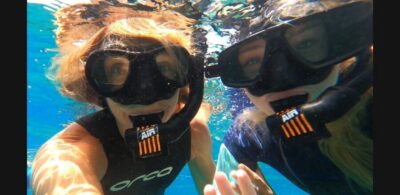
Tenerife’s best surprise may be just below the surface. This three-hour outing pairs guided snorkeling with a marine biologist who explains the local fish, plants, and sea life instead of simply pointing you toward the water. If conditions allow a boat trip, keep watch on the return for whales or dolphins.
I like the small group, limited to eight people, and the flexible choice between a shore site and a boat-accessed location. I also like the useful pause between snorkeling stops, with fruit, cookies, and water while you ask questions. The main drawback is that the exact site is decided on the day, and first-time snorkelers may need extra time to get comfortable with the mask.
Five things worth knowing before you book
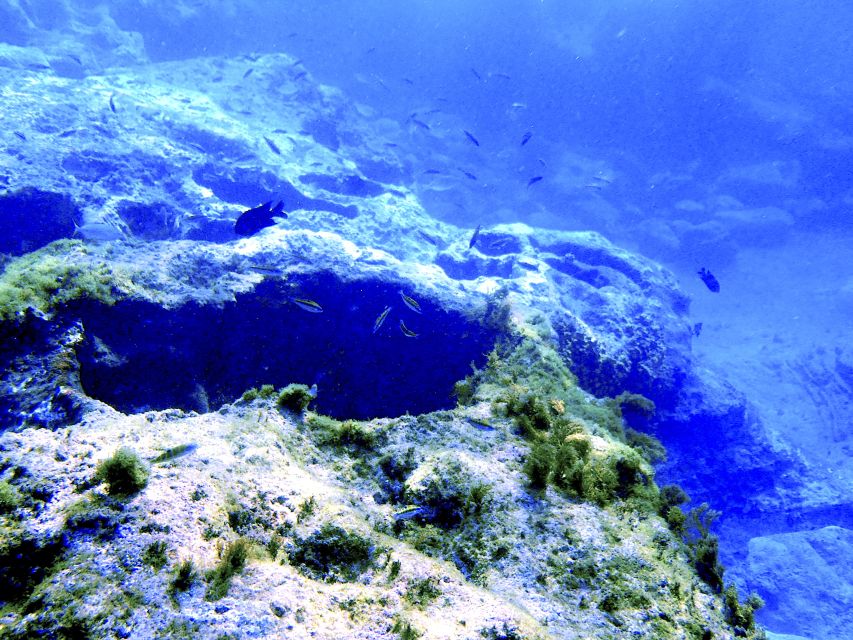
- The marine biologist shapes the experience: You get an explanation of likely species, local ecology, and plant life, not just equipment and a swim.
- The group is capped at eight: That makes it easier to ask questions and receive personal help in the water.
- The location depends on the sea: You may snorkel from shore or board a boat, with safety and conditions guiding the choice.
- The trip lasts three hours: That gives you time for more than a quick look, plus a snack break between snorkeling stops.
- Whales and dolphins are a possibility, not a promise: The return boat ride offers a chance to spot them, but wildlife sightings cannot be guaranteed.
Meeting at GooDiving in Golf del Sur
Your starting point is GooDiving Dive Center at Avenida Galvan Bello, 113, in Golf del Sur, San Miguel de Abona. Arrive ready to collect your snorkeling equipment and complete the paperwork required for the activity.
Bring a copy of your passport. This is easy to overlook, but you need it for the forms. You also need to be able to swim, so this is not a suitable choice if you are looking for a floating sightseeing trip with no swimming required.
The practical packing list is short: towel, water, flip-flops, and a face covering or protective mask. Water and a snack are supplied on board, but bringing your own drinking water is still sensible because it is specifically listed among the items to bring.
The center can provide instruction in Spanish, English, French, Italian, or German. That matters here. Snorkeling involves equipment, breathing, and water safety, so clear instructions are more useful than a rushed briefing.
A few more days in the water around Tenerife worth a look
- Tenerife: Kayak and Snorkel with Turtles, Wetsuits Included
★ 4.6 · 7,215 reviews - Tenerife: Kayak Safari and Snorkel in a Marine Reserve
★ 4.5 · 3,214 reviews - Tenerife: Kayak & Snorkel with Local Fauna, Photos Included
★ 4.6 · 2,010 reviews
A small group with a personal feel
The maximum group size is eight people. That is a strong point for beginners and for anyone who wants more than a standard group outing. A marine biologist can spend more time answering questions when there are not dozens of swimmers competing for attention.
The experience has also shown flexibility when conditions change. One French-speaking customer described the staff as warm and attentive, with the team contacting them when sea conditions were not suitable and quickly moving the booking to another day. That sort of practical judgment is exactly what you want from a water activity.
Roberta and Andrea are two team members singled out for their friendly service. Andrea was praised for sharing a passion for marine biology, while another person appreciated being listened to and helped throughout the experience. Staff may vary on your date, but the center clearly puts emphasis on personal care rather than simply getting people in and out of the water.
The group can be made up of people with different ability levels. That is useful, but it also means the pace may not suit someone who wants a fast, athletic swim. The purpose here is observation and explanation, not a race along the coast.
How the three-hour outing unfolds
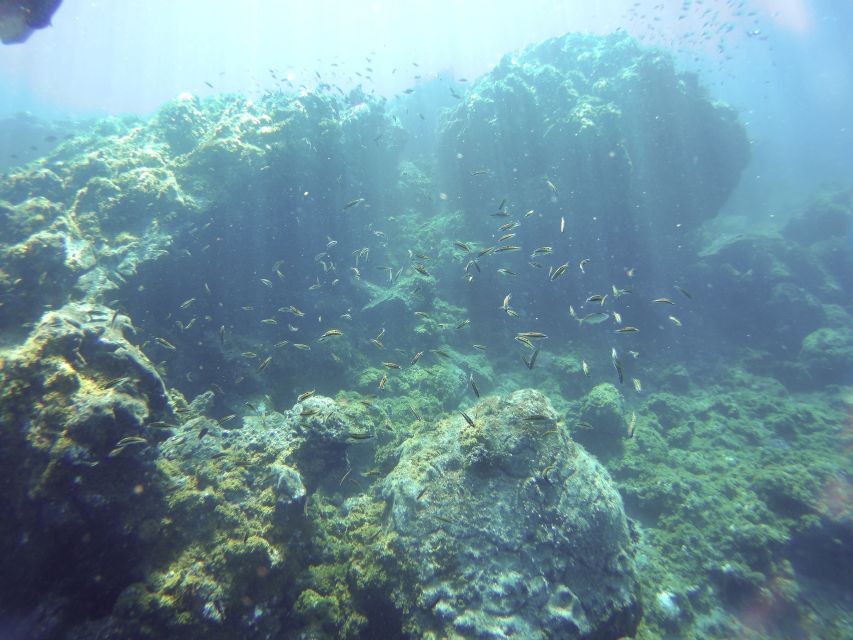
The first stage is equipment collection at the dive center. You will be fitted with snorkeling gear before the group discusses what you are likely to see. The marine biologist points out the main species and explains what to look for, giving you a better chance of noticing small details once you reach the water.
The exact snorkeling site is chosen that day. If sea conditions are suitable, the activity may use a boat. If not, the group may enter from shore. This flexibility is valuable because it avoids forcing one plan when the sea is rough or visibility is less favorable.
The tradeoff is predictability. You cannot book this expecting one named cove or a fixed route. If the precise location matters more to you than safe conditions and expert judgment, this may feel less tidy. I see the day-of decision as a sensible feature, but you should accept that the plan can change.
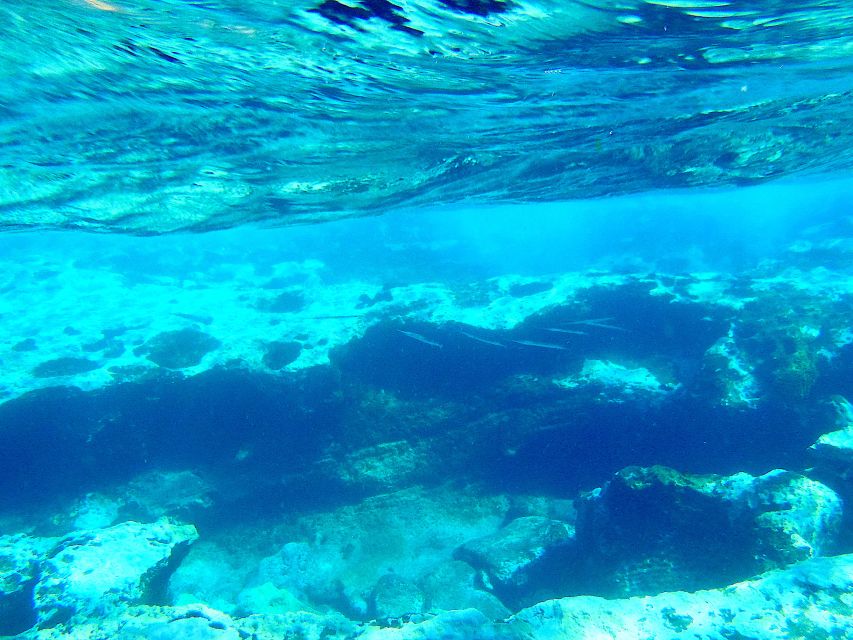
Once at the chosen site, the marine biologist leads the snorkeling. Expect time in the water looking at marine animals and plant life, with guidance about the local sea rather than a bare equipment handout. One person who had snorkeled for the first time found the information about species and the ecological system especially useful.
This is a good setting for questions. You do not have to wait until the end of the trip to ask what you have seen. The guide is available to explain the animals, plants, and broader local environment as the outing continues.
The snack break is part of the value
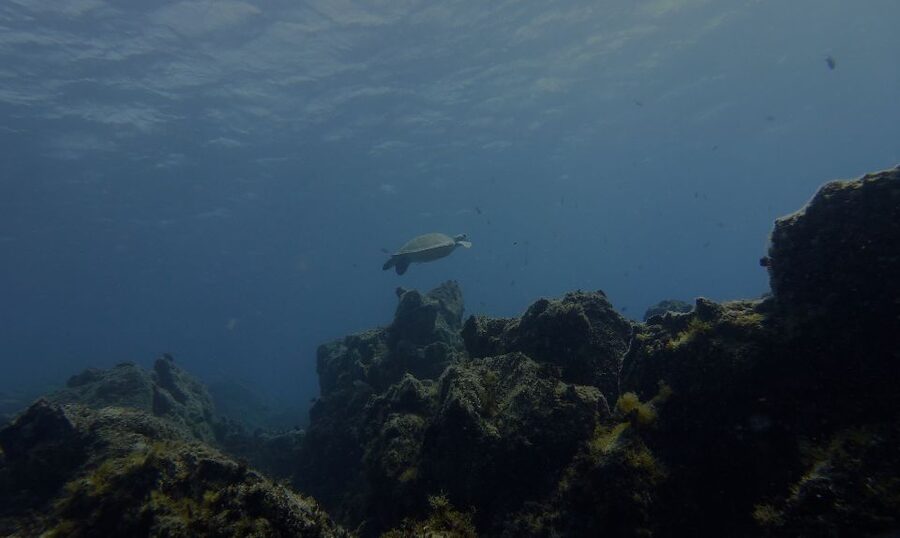
Between snorkeling stops, you get a break with fresh fruit, cookies, and water. It is a small detail, but it improves the rhythm of a three-hour activity. You can warm up, catch your breath, and discuss what you saw before returning to the water.
The pause also gives the marine biologist time to answer questions. For me, that is more valuable than a snack alone. You might notice an animal but not know its name, behavior, or role in the local ecosystem. The break lets you turn a quick sighting into a clearer understanding.
Do not expect a full meal. The food is a light snack, so eat beforehand if you need something substantial. The supplied food is best viewed as a useful break between water sessions, not lunch.
The multiple-stop format may also help first-time snorkelers. You can get used to the mask and breathing, then make a better second attempt. A previous participant who had never snorkeled suggested practicing breathing through the mask before the swim, and that is excellent advice.
Same water, a different way to get in it:
- Tenerife Snorkeling boat trip in a Turtle Habitat
★ 4.1 · 1,547 reviews - Tenerife: Turtle & Dolphin Kayak Tour with Snorkel & Wetsuit
★ 4.5 · 1,411 reviews - Tenerife: Sailboat Tour Whale Watching Food and Snorkeling
★ 4.8 · 652 reviews - Tenerife: Kayak Sea Safari with Snorkel and Snacks
★ 4.8 · 639 reviews
What beginners should know about snorkeling
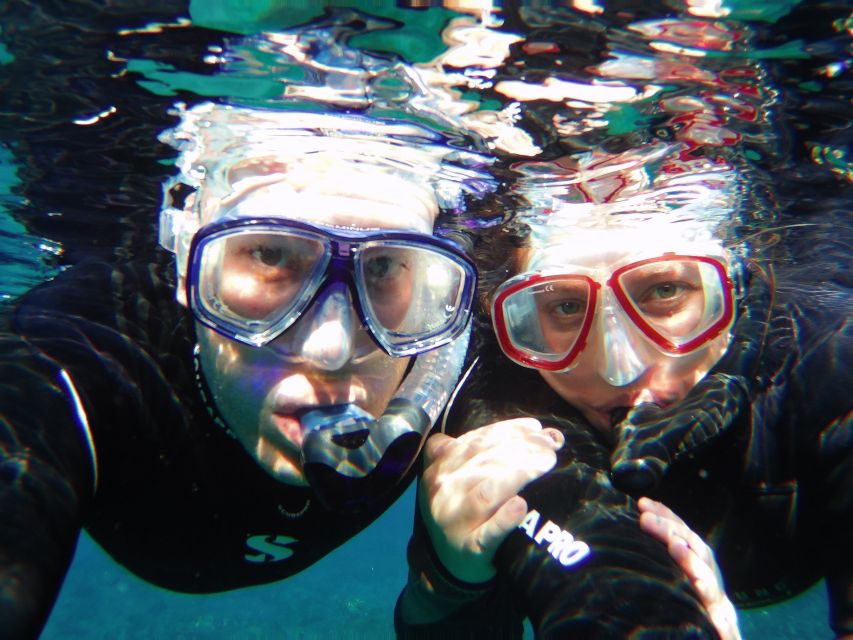
Snorkeling looks simple, but the first few minutes can be awkward. A mask may feel unfamiliar, and breathing through a tube takes a little practice. If you are new to it, use the briefing to check the fit and take time to settle before trying to keep pace with the group.
You must be able to swim. The activity is not presented as a beginner swimming lesson, and the guide cannot remove the basic need to move safely in the water. If you are comfortable swimming but have never used a mask, the staff can explain the equipment and the small group should make it easier to ask for help.
The most useful habit is to relax your breathing. Rushing makes the mask and tube feel more difficult. Try a few calm breaths before moving away from the entry point, and tell the guide if you need a moment to adjust.
You should also bring a towel and flip-flops for the time around the water. A face covering is listed among the required items, and the passport copy is needed for the activity paperwork. These are minor details, but forgetting one can create stress before the trip begins.
Marine life with context, not just a checklist
The central reason to choose this outing is the guide. Many snorkeling activities provide equipment and a route, then leave you to identify whatever appears. Here, the marine biologist explains the main species you may encounter and discusses the local ecological system.
That changes how you look at the water. Instead of seeing only flashes of color, you can pay attention to fish behavior, plant life, and the relationship between different parts of the sea. The information is especially helpful in Tenerife, where the appeal is not limited to one dramatic animal or one guaranteed sighting.
The experience does not promise a fixed list of species. Conditions, location, and nature all affect what appears. You may see a good number of fish, as one participant did, or you may find that visibility and marine activity vary on the day.
That uncertainty is worth accepting if you prefer an honest nature outing. A wildlife trip cannot guarantee whales, dolphins, or a particular fish. The marine biologist gives you better eyes and better context, but the sea makes the final decision.
Keep watch for whales and dolphins
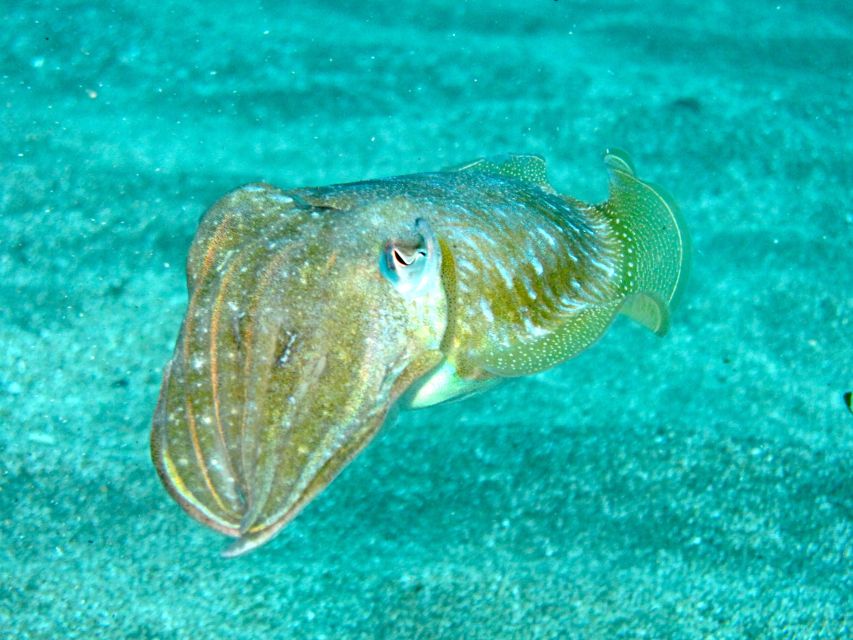
If the outing uses a boat, the return journey may offer a chance to spot whales or dolphins. This is one of the most appealing extras, because the trip back becomes part of the wildlife experience rather than a simple ride to shore.
Keep expectations realistic. The description presents these sightings as a possibility, not a promise. Do not book this solely for a whale or dolphin encounter. Book it for the snorkeling and marine interpretation, then treat any cetacean sighting as a welcome bonus.
The boat element also depends on conditions. If the sea is better suited to a shore-based activity, you may not have that return ride. The team chooses the site according to the day’s situation, so the boat is not a guaranteed part of every booking.
What the $94 price means
At $94 per person, this is not the cheapest way to spend three hours near the sea. The price makes more sense when you count what is included: snorkeling equipment rental, guided snorkeling, water, fruit, cookies, and a small group capped at eight people.
You are also paying for the marine biologist’s attention. That is the main difference between this and arranging basic equipment on your own. If you want help spotting species, an explanation of local ecology, and time for questions, the added cost has a clear purpose.
The value is strongest for beginners, curious swimmers, and people who prefer a careful, educational outing. It is less compelling for an experienced snorkeler who already owns equipment and wants to spend the entire time moving independently.
The trip is three hours, which is a useful length. A shorter session could feel rushed, while a much longer one might become tiring for new snorkelers. The snack break helps make the time in the water more manageable.
Accessibility and booking flexibility
The activity is listed as wheelchair accessible, but the experience still requires swimming. Those two facts should be considered together. Accessibility at the meeting point or support areas does not change the swimming requirement, so contact the provider if you need to clarify how the access arrangements fit your needs.
You can cancel up to 24 hours before the start time for a full refund. You can also reserve now and pay later, which is useful if your Tenerife plans are still shifting. Starting times vary, so check availability for your date.
The staff speak Spanish, English, French, Italian, and German. That range is helpful for safety instructions and for the detailed questions that make this activity worthwhile.
Photos are not included, though they may be available to purchase. Bring your own waterproof phone or camera only if you can use it safely without losing focus on swimming and the group.
Who should book this Tenerife snorkeling trip?
I would choose this for someone who wants to understand the sea, not simply enter it. It suits couples, families with confident swimmers, small groups of friends, and solo visitors who appreciate a guide willing to explain what they are seeing.
It is particularly well suited to a first snorkeling experience, provided you can swim and give yourself time to learn the mask. The staff’s patient approach and small group format can make the first attempt less intimidating.
It also works for experienced snorkelers who want local interpretation. You may already know how to use the equipment, but a marine biologist can add meaning to the fish and plant life you would otherwise pass without noticing.
I would think twice if you need a fixed location, guaranteed boat time, guaranteed whales, or a fully independent swim. The site is chosen on the day, and nature controls the wildlife. That is a fair trade for a safer and more suitable plan, but it is still a trade.
Should you book it?
Book this GooDiving experience if you value small-group attention, marine biology, and a sensible response to sea conditions. The strongest points are the guide’s explanations, the chance to ask questions between stops, the flexible shore or boat format, and the possibility of seeing whales or dolphins on the return.
At $94, it earns its price through equipment, refreshments, a three-hour schedule, and specialist guidance. Bring your passport copy, towel, flip-flops, and patience for learning the mask. If you can swim and want a thoughtful introduction to Tenerife’s underwater world, this is a strong choice.
FAQ
Where does the snorkeling trip meet?
The meeting point is GooDiving Dive Center at Avenida Galvan Bello, 113, Golf del Sur, San Miguel de Abona.
How long does the experience last?
The snorkeling experience lasts three hours.
Is snorkeling equipment included?
Yes. Snorkeling equipment rental is included in the price.
Is the activity guided by a marine biologist?
Yes. A marine biologist leads the snorkeling and explains likely marine animals, plant life, species, and the local ecological system.
Will the group use a boat?
That depends on sea conditions. The activity may take place from shore or by boat, with the best site chosen on the day.
Can I see whales or dolphins?
You may have a chance to see whales or dolphins during the return boat trip, but sightings are not guaranteed.
Do I need to know how to swim?
Yes. You must be able to swim to take part in this experience.
What should I bring?
Bring a towel, water, flip-flops, and a face mask or protective covering. You also need to bring a copy of your passport for the required paperwork.
What languages are available?
The instructors can provide the activity in Spanish, English, French, Italian, or German.
Can I cancel the booking?
Yes. You can cancel up to 24 hours in advance for a full refund. You can also reserve now and pay later.
Just added around Tenerife
- TENERIFE SUR | unforgettable SUP – SNORKELING EXPERIENCE★ 5.0 · 26 reviews
- Tenerife: Snorkeling to look for Turtles and Rays★ 4.2 · 10 reviews
- Tenerife: Puerto Colon Snorkel Safari by Speed Boat★ 4.4 · 84 reviews
- Tenerife: Half-Day Snorkeling Tour★ 4.6 · 154 reviews
- Tenerife: Kayak & Snorkeling, Marine Fauna Watching★ 4.6 · 94 reviews
- Tenerife: Kayak and Snorkeling Tour with Photos★ 4.8 · 115 reviews
- Tenerife: Eco Kayak & Snorkeling★ 4.8 · 78 reviews
- Tenerife: Snorkel with Turtles★ 4.2 · 71 reviews
Tenerife Snorkeling Tours, compared.
Kayak and Snorkel with Turtles, Wetsuits Included
Read our review →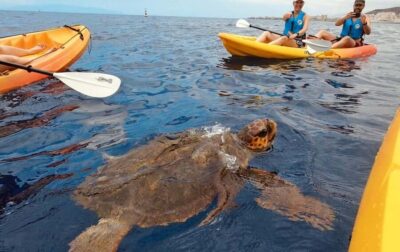
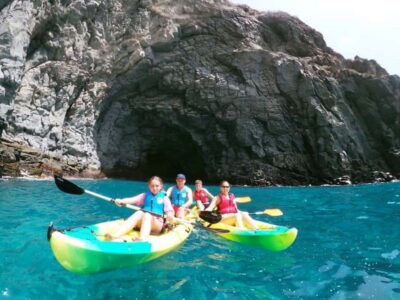
Kayak & Snorkel with Local Fauna, Photos Included
Read our review →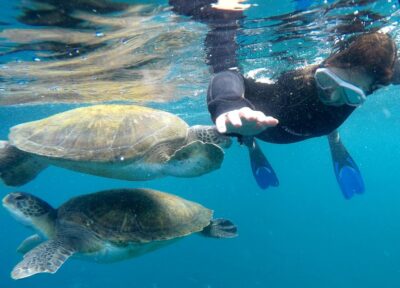
Tenerife Snorkeling boat trip in a Turtle Habitat
Read our review →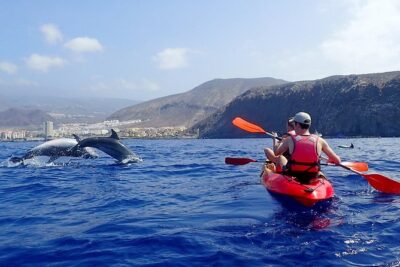
Turtle & Dolphin Kayak Tour with Snorkel & Wetsuit
Read our review →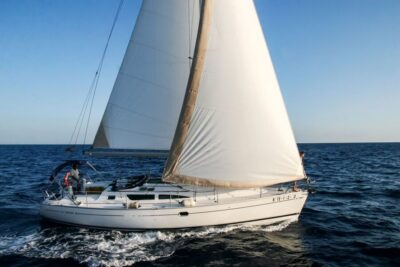
Sailboat Tour Whale Watching Food and Snorkeling
Read our review →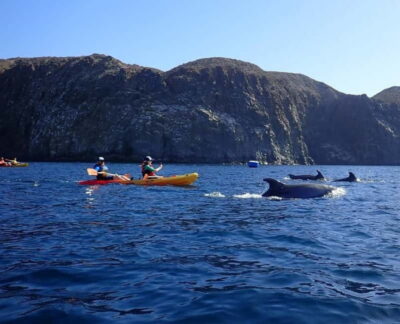
Lists this trip appears in