REVIEW · GUIDED
Cape Town: Great African Sea Forest Guided Snorkel
Cape Town’s Great African Sea Forest is not a coral reef with bright tropical fish. It is a living underwater woodland, with tall kelp swaying around you and small sharks, octopus, sea stars, urchins, and other creatures hiding among the fronds. A marine biologist guides you through it, then gives you a practical role in local shark research.
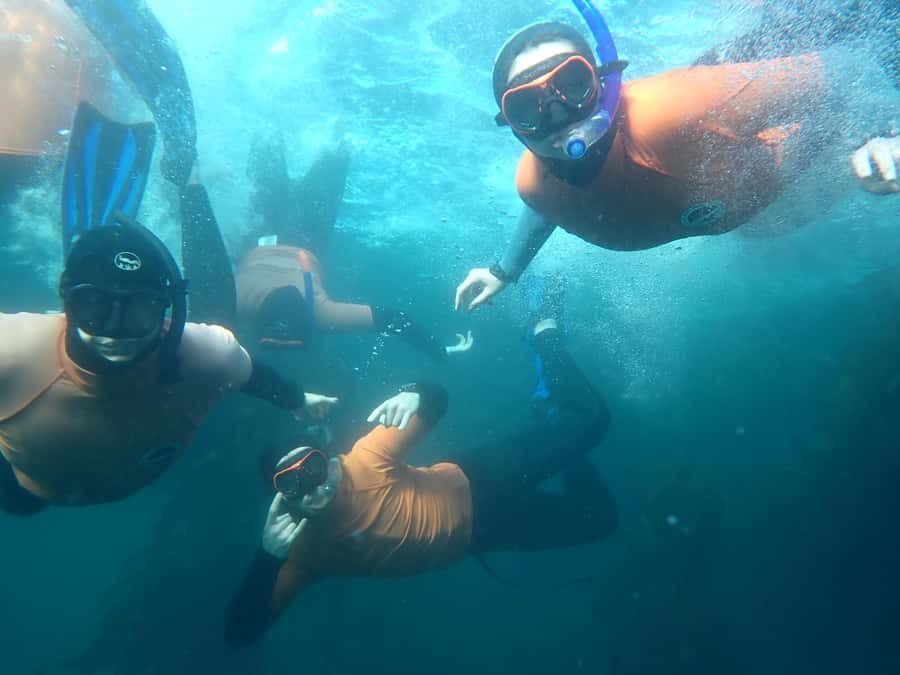
I like the small groups of no more than eight, which make it easier to hear the guide and get help in the water. I also like that your $74 does more than buy a swim: the briefing, equipment, photos, and research work give the two-hour outing real substance.
The main consideration is the ocean itself. This is not easy, warm-water snorkeling. The kelp can block your view from the surface, and you may need to move below it to see more of the seabed. Sharks are often spotted, but never guaranteed.
Key points before you book
- A living kelp forest: Expect towering sea plants, not coral, with marine life tucked into the fronds.
- Marine research included: You help collect photo identification of an endemic shark species.
- Small, well-supported groups: A maximum of eight people allows close guidance in the water.
- Guides with science backgrounds: Mark, Danni, Megan, and other Cape RADD guides explain the ecosystem as you go.
- Wildlife varies: You might see shysharks, octopus, urchins, sea stars, abalone, or no sharks at all.
- Good value at $74: Wetsuit, mask, snorkel, fins, photos, instruction, and research participation are included.
Entering the Great African Sea Forest at False Bay
You meet inside the Cape RADD Dive Center on the shore of False Bay. The setting matters. This is not a pool lesson or a quick look at fish from a boat. You are heading into one of Cape Town’s famous kelp forests, where the sea plants create a thick underwater habitat.
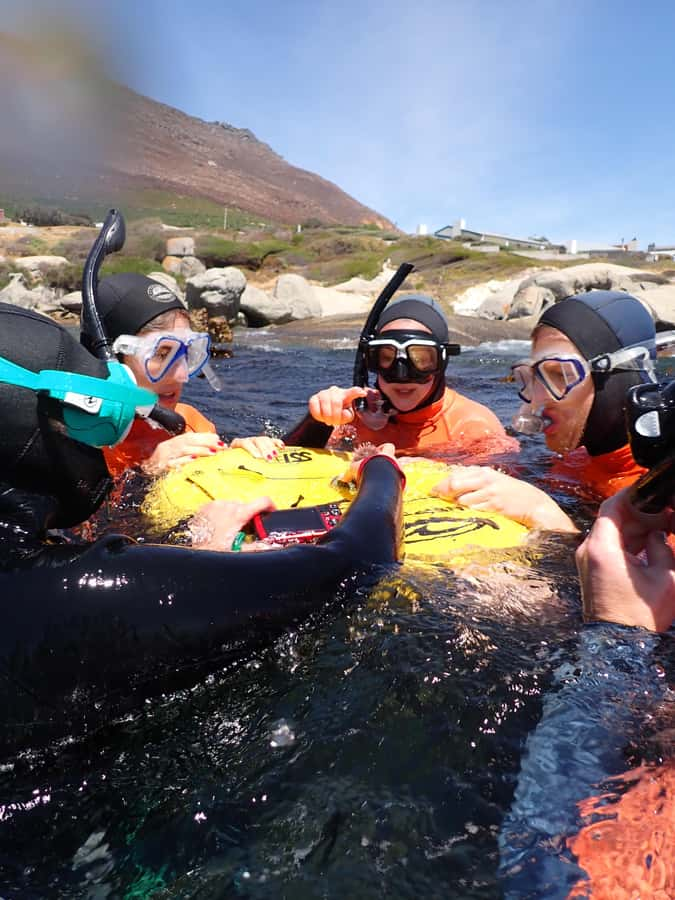
Before you put on the wetsuit, the marine biologist gives you an in-depth briefing. This is one of the strongest parts of the experience because it helps you understand what you are looking at later. The guide explains how the forest works, what animals live there, and how to move through it without treating it like an obstacle course.
The briefing also covers the shark research project. You learn how to recognize and photograph the local shark species being studied. That changes the outing from simple wildlife watching into a small citizen-science session. You are not just hoping to spot an animal. You are helping the team record useful identification details.
Guides named in past sessions include Mark, Danni, and Megan. The precise guide depends on the day, but the format stays the same: clear instruction on shore, careful support in the water, and plenty of explanation about the coast.
More Guided Trips in the world:
- San Juan Guided Snorkel With Turtles Tour and Videos
★ 5.0 · 12,947 reviews - Dubrovnik: Sea Kayaking&Snorkelling Guided Day/Sunset Tours
★ 4.9 · 2,869 reviews - The ‘OG’ Manatee Snorkel Tour with In-Water Guide/Photographer
★ 5.0 · 2,539 reviews
Getting fitted with the wetsuit and gear
Cape RADD provides the mask, snorkel, fins, and wetsuit, so you do not need to pack specialist equipment. You need to bring swimwear and a towel. The equipment has received strong praise for its quality, and good gear matters here because the water conditions are part of the challenge.
A wetsuit is not a minor extra in Cape Town. The outing takes place in the ocean, and comfort can affect how long you stay focused on the animals. The tour runs in rain or shine, so pack with changing weather in mind. The activity is not aimed at highly fit athletes, but you must be able to swim or at least feel comfortable in the water.
The group size is limited to eight. That gives the guide room to watch the whole group, point out animals, and answer questions without turning the session into a crowded line. It also makes a difference if you are nervous at first. You can get individual help rather than trying to keep up with a large class.
One practical note comes from the shore setup: a short ride in the back of a truck has been described as uncomfortable when participants had no shoes and the black surface was hot. It is a small part of the outing, but footwear for the approach and a towel afterward are sensible additions.
Learning to read the kelp forest
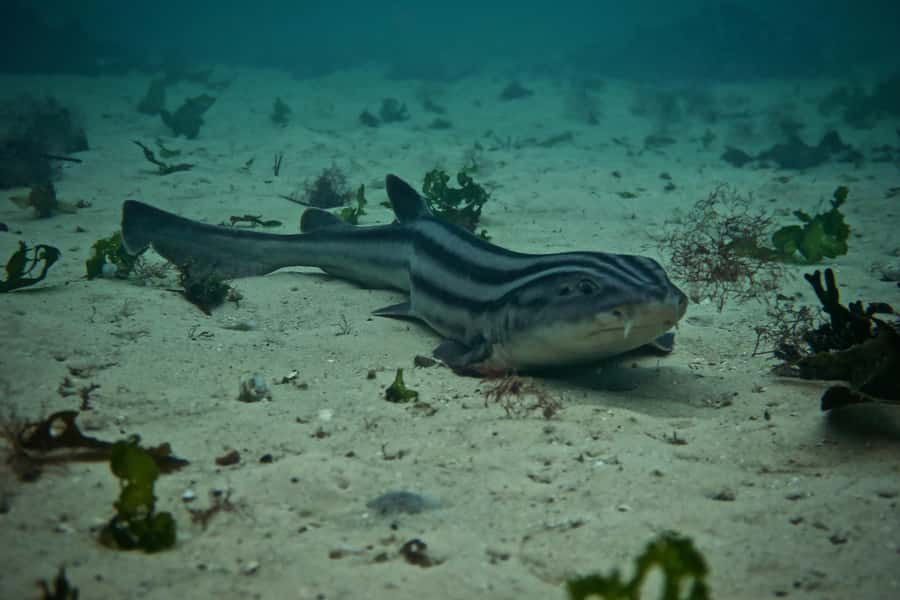
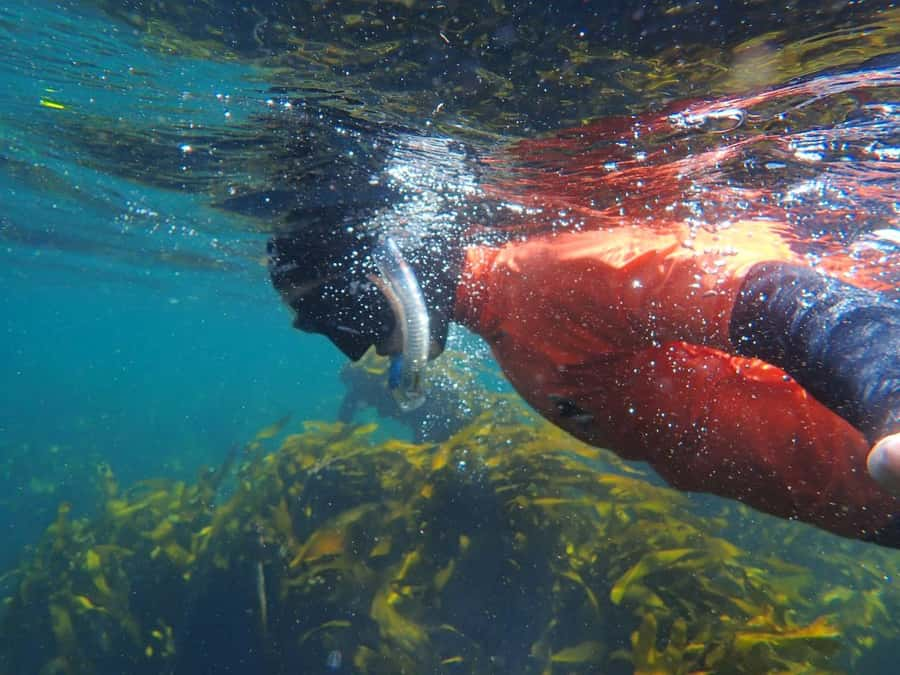
Once you enter the water, the first lesson is simply how to move through the kelp. The plants sway with the water, and visibility of the seabed can change as the fronds move around you. This creates a very different experience from snorkeling over a clear tropical reef.
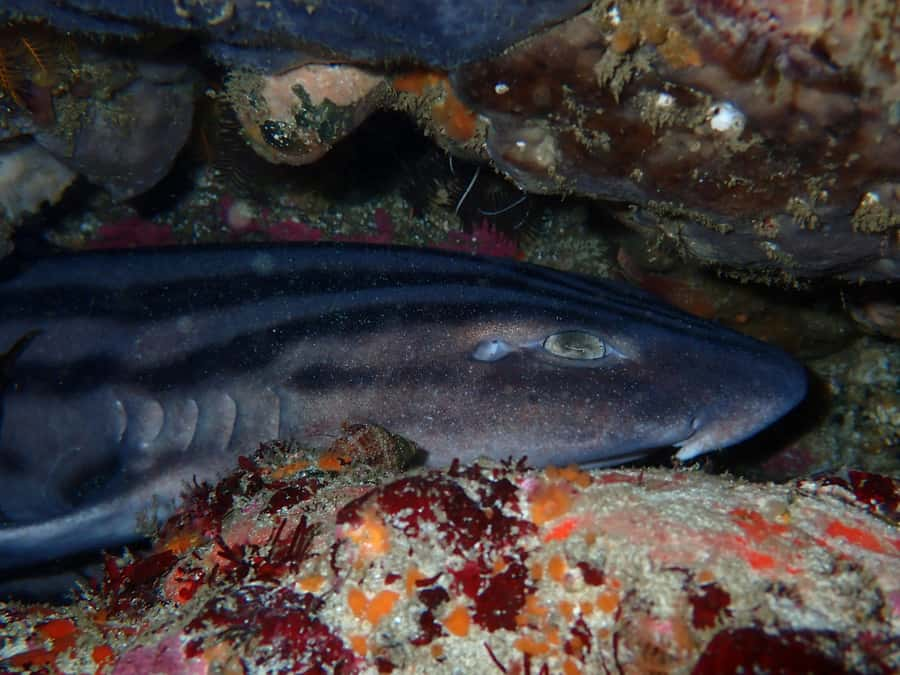
The kelp is the attraction, not an inconvenience to be ignored. It provides shelter and food for a wide range of animals. The guide points out places where shysharks hide and explains why certain creatures choose one patch of forest over another.
You may hear about octopus hunting methods, the habits of sea urchins, and the odd way urchins carry small objects as hats. Those details make the forest easier to understand. Instead of seeing a green tangle, you begin to notice a set of homes, feeding spots, and hiding places.
The guide also helps you find animals that are easy to miss. An octopus may be tucked into a rocky gap. A sea star can blend into the bottom. Abalone and urchins sit low, while small sharks may remain still in a sheltered spot. The value of the guide is not only the facts. It is the trained eye that directs your attention before the animal disappears.
What the water feels like in practice
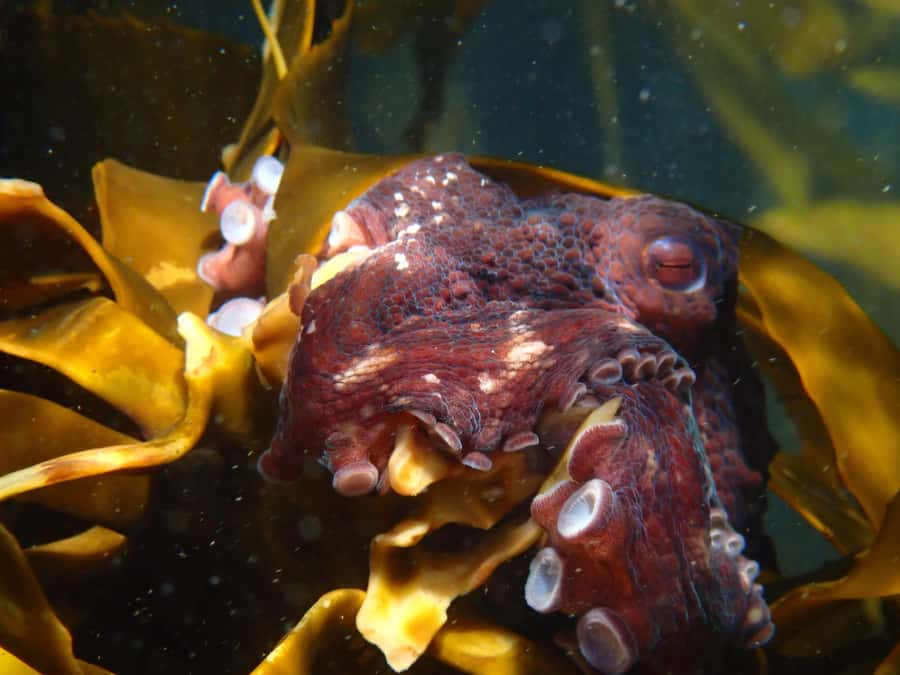
You should set your expectations correctly. The kelp forest can be beautiful, but it is not always easy snorkeling. A surface swimmer may see less of the seabed because the plants block the view. One session included time in water around five to six meters deep, where participants could move down along the kelp and see more below.
You do not need a high fitness level, but you should be comfortable in the water. If you are uneasy in open water, the shallow section gives you time to settle in. If you enjoy holding your breath and moving below the surface, you may find the deeper section more rewarding.
The deeper water is not automatically better for everyone. Some people prefer to remain at the surface, and the shallow introduction helps them get comfortable. Conditions also vary with tide and weather. The activity runs rain or shine, but the experience can feel quite different from one day to the next.
A useful way to think about this outing is as a nature walk under the surface. You are moving slowly, watching for small signs of life, and listening to a guide explain the habitat. It is less about covering a large area and more about noticing what is already around you.
A few more days in the water around the world worth a look
- Oahu: Grand Tour Around Island 16 Locations plus Snorkeling
★ 5.0 · 8,669 reviews - Tenerife: Kayak and Snorkel with Turtles, Wetsuits Included
★ 4.6 · 7,215 reviews - ️Nusa Penida by Private Boat – Snorkeling 4 spots, Swim with Mantas + Land Tour
★ 5.0 · 6,424 reviews - Big Island Manta Ray Night Snorkel
★ 5.0 · 5,656 reviews
Finding sharks for the research project
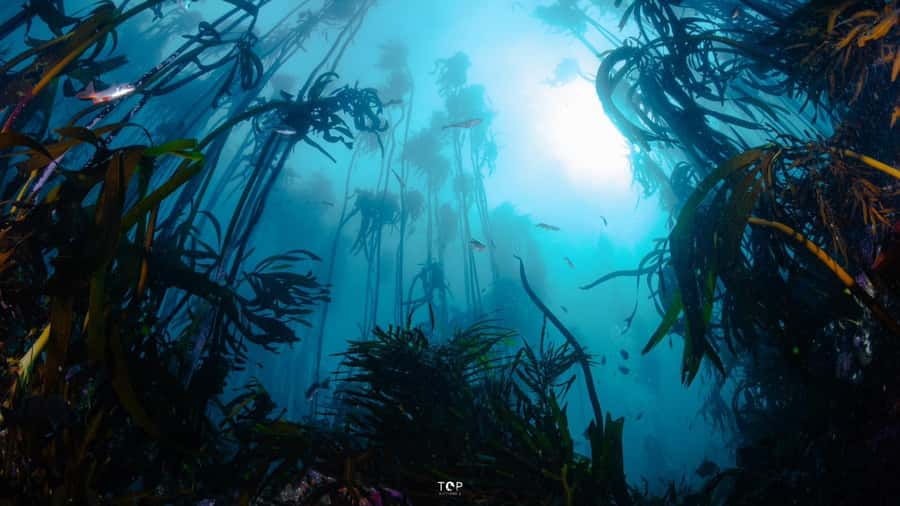
The shark work is the tour’s most distinctive feature. The guide leads you in looking for a friendly endemic shark species, then helps collect photographs for identification. The point is not to approach or handle the animals. It is to observe them and record useful visual information.
You may see one of the small sharks being researched, as some groups have. You may also see none. That uncertainty is important. One session found plenty of sea life but no sharks, while others spotted several along with an octopus. Book this as a kelp-forest wildlife trip with a shark research element, not as a guaranteed shark encounter.
The research role adds purpose to the search. You learn to pay attention to markings and body features rather than simply pointing and moving on. Your photographs can help the team track individual sharks and support ongoing marine work.
You also receive access to the FinSpotter app, which keeps you updated on shark sightings. The exact amount of follow-up information can vary, but the app gives the experience a life beyond the two-hour session. You are also named an Ocean Ambassador for helping with marine research, a nice recognition of the part you played.
Other animals you might see
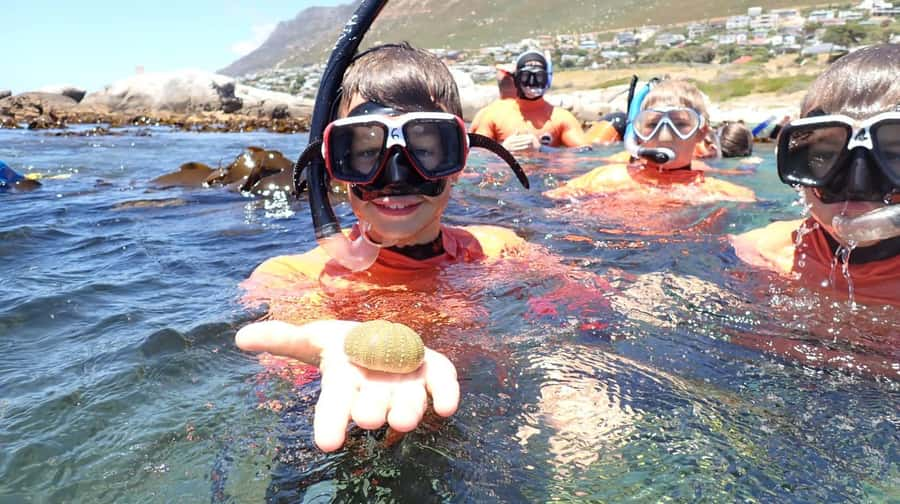
The kelp forest is busy at small scale. The animals are not presented as a fixed checklist, and that is part of the appeal. You might see sea urchins, sea stars, abalone, octopus, shysharks, and other local species.
Octopus sightings are especially memorable because the guide can connect the animal to its hunting behavior. You are not simply told that an octopus is present. You learn what it is doing and why the kelp and rocks make useful cover.
Sea urchins are another highlight. Their unusual habit of carrying bits of material on their bodies gives the guide an easy way to show how a familiar-looking animal can have surprising behavior. These small explanations make the outing work well for curious adults and older children who already meet the minimum age.
The underwater photographs are a real bonus. Guides take pictures of the experience and the animals when conditions allow, giving you more than a vague memory of green water and moving kelp. The photos have been described as striking, and they can help you identify what you saw after leaving the water.
The guide makes the difference
The best part of the tour is the human guidance. Names such as Mark the Shark, Danni, and Megan have been associated with especially strong sessions, but you should not book on the assumption that one particular person will lead your group.
The guides combine safety support with marine science. Mark has been praised for a careful introduction and for looking after the group in the water. Danni has been noted for strong knowledge of the area. Megan has been praised for making the whole experience feel well supported. The broader pattern is clear: the guide is not an escort who points vaguely at wildlife. The guide is central to the experience.
That matters because the kelp is not self-explanatory. Without help, you could swim past an octopus, miss a shyshark, or mistake a patch of moving plants for empty water. A good guide slows the group down, finds the animals, and explains what makes this coast special.
The briefing before and after the water time also adds value. You learn about conservation efforts in the area and can ask questions once you are warm and dry. The research connection feels more genuine because the science is explained rather than used as a marketing label.
Is two hours enough for $74?
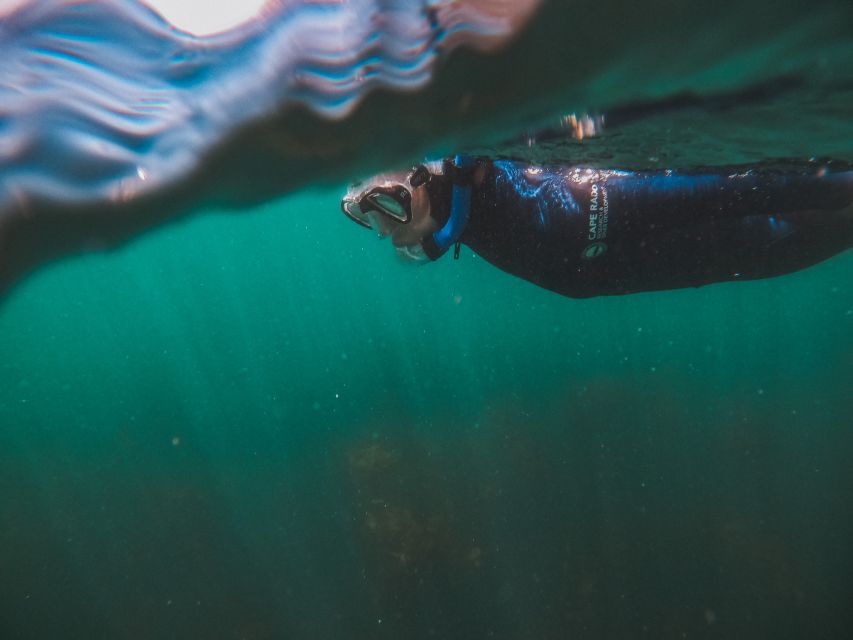
At $74 per person, the price is reasonable if you value instruction and equipment rather than measuring the tour only by minutes in the water. You receive a marine biologist guide, mask, snorkel, fins, wetsuit, photos, an area briefing, research participation, and access to FinSpotter.
The two-hour duration includes preparation and the shore briefing, so you should not expect two full hours of uninterrupted snorkeling. One participant would have preferred an extra 15 minutes in the water. That is a fair point, particularly if conditions are comfortable and you are just beginning to enjoy the forest.
Still, the small group and specialist guide give the price more weight than a basic equipment rental. You are paying for help finding wildlife, learning how the ecosystem works, and taking part in a real identification project. If the water conditions are difficult or sharks do not appear, the educational side becomes especially important.
The value is strongest for people who want context. If you only want warm, clear water and guaranteed animals, this is not the right comparison. If you want a guided look at Cape Town’s coast with a conservation purpose, the package makes sense.
Who should book, and who should skip it
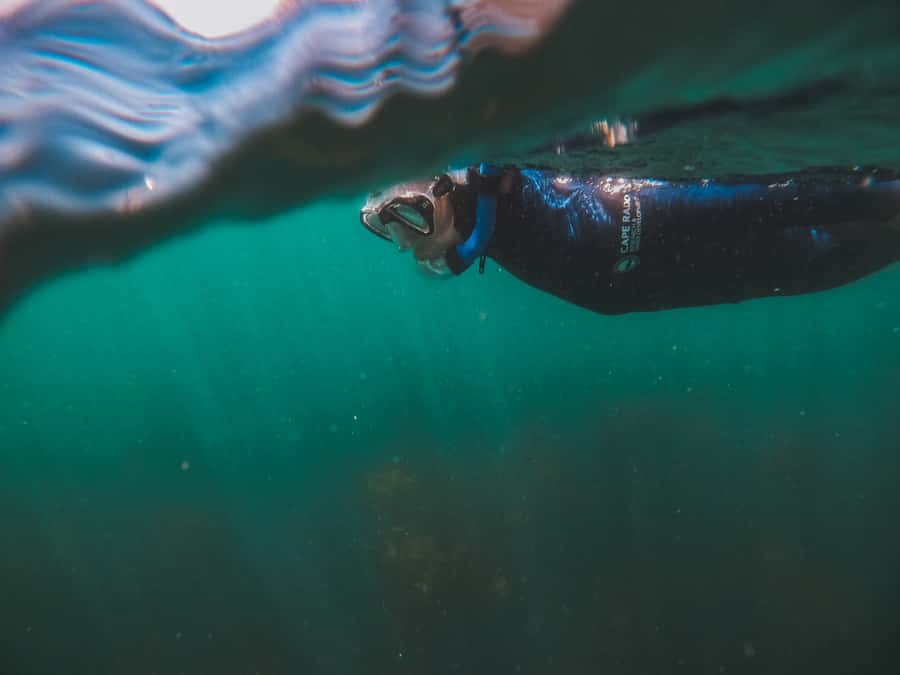
I would recommend this to adults, older children aged 10 and above, and anyone curious about marine biology. It suits people who enjoy patient wildlife watching, small groups, and guides who explain what they see.
You should be ready for open-water snorkeling and for kelp around you. Strong swimming is not required, and the activity does not call for a high fitness level, but you need to feel safe in the water. If you dislike cold water, dense plants, or changing visibility, this may not be comfortable.
The experience is not suitable for children under 10, pregnant women, people with mobility impairments, or people over 95. The instruction is in English, so you should be comfortable following an English safety briefing.
Weather does not cancel the basic plan because the activity runs rain or shine. Sea conditions still affect what you see, how comfortable you feel, and how much time you want to spend below the surface. Keep that in mind when planning the rest of your day.
Practical booking advice for False Bay
Plan to arrive ready for the water, with swimwear underneath your clothes and a towel packed. Meet inside the Cape RADD Dive Center on the False Bay shore, and allow enough time for fitting equipment and the marine briefing.
The activity offers free cancellation up to 24 hours before the start time. You can also reserve now and pay later, which helps if your Cape Town schedule depends on weather or other plans.
The group limit of eight is worth protecting. A small group makes the guide’s animal-spotting skills more useful and gives you a better chance to ask questions. Check the available start times when booking, since the exact schedule is not fixed in the basic tour details.
Should you book the Great African Sea Forest snorkel?
Book it if you want to see Cape Town’s kelp forest with a marine biologist, learn how its animals live, and contribute to shark research. The strongest reasons are the small group, the careful briefing, the guide’s ability to find creatures you could easily miss, and the included photos.
Do not book it expecting a tropical reef, guaranteed sharks, or effortless surface snorkeling. The kelp can be thick, the water experience varies, and you may need to move below the surface for the best views.
For the right person, $74 is a fair price for a focused two-hour encounter that combines wildlife, local science, and conservation. Bring curiosity, a towel, and realistic expectations. The forest will do the rest.
FAQ
Where does the snorkeling tour meet?
You meet inside the Cape RADD Dive Center on the shore of False Bay in the Western Cape.
How long does the experience last?
The activity lasts two hours, including the briefing and snorkeling experience.
What equipment is included?
The tour provides a mask, snorkel, fins, and wetsuit. Photos are also included.
Do I need to be an experienced swimmer?
You need to be able to swim or at least feel comfortable in the water. The activity does not require a high fitness level.
Are sharks guaranteed?
No. The tour includes a search for an endemic shark species and helps with photo identification research, but shark sightings are not guaranteed.
What should I bring?
Bring swimwear and a towel. The activity takes place in rain or shine.
Who cannot take part?
The activity is not suitable for children under 10, pregnant women, people with mobility impairments, or people over 95.
Just added around the world
- Cagliari Boat Tour with Sardatrips; Swim, Snorkeling, Sip & Snack★ 5.0 · 106 reviews
- Boat Tour in Cagliari Saddle of the Devil Stops Swimming Snorkeling★ 5.0 · 28 reviews
- Boat Tour to Sella del Diavolo: Snorkeling, GoPro & Beer★ 4.5 · 33 reviews
- Snorkel Privately in Cabo San Lucas★ 5.0 · 203 reviews
- Cagliari 3 Hours Luxury Motorboat Tour – Wine and Snorkeling★ 5.0 · 118 reviews
- Snorkeling and whale watching Tour in Cabo★ 5.0 · 9 reviews
- Snorkel and arch tour in los cabos★ 5.0 · 178 reviews
- Private Yacht Cruise 4 Hour- Snorkeling & Paddle Boarding★ 5.0 · 74 reviews
Guided, compared.
San Juan Guided Snorkel With Turtles Tour and Videos
Read our review →
Sea Kayaking&Snorkelling Guided Day/Sunset Tours
Read our review →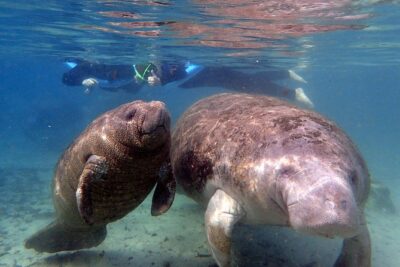
The ‘OG’ Manatee Snorkel Tour with In-Water Guide/Photographer
Read our review →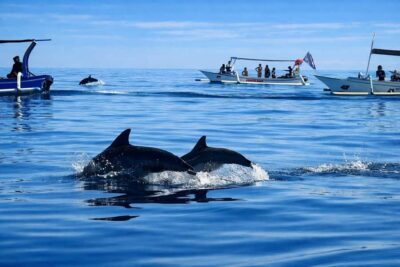
Guided Dolphin Watching & Sunrise Boat Snorkel
Read our review →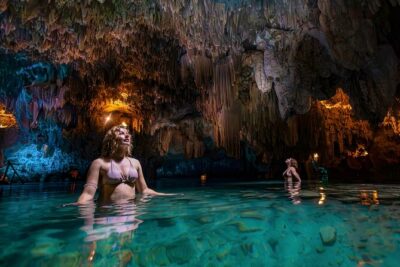
Tulum Guided Tour, Magical Cenote, Lagoon Snorkeling and Beachside Lunch
Read our review →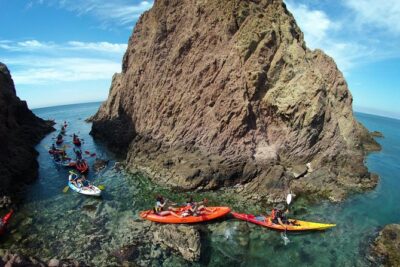
Cabo de Gata Active. Guided kayak and snorkel route through coves of the Natural Park
Read our review →
Guided Small Group Manatee Snorkeling Tour with In-Water Photographer
Read our review →