REVIEW · WHALE SHARK AND MANTA RAY SNORKELING
Manta Magic: Small-Group Manta Ray Night Snorkel in Kailua Kona
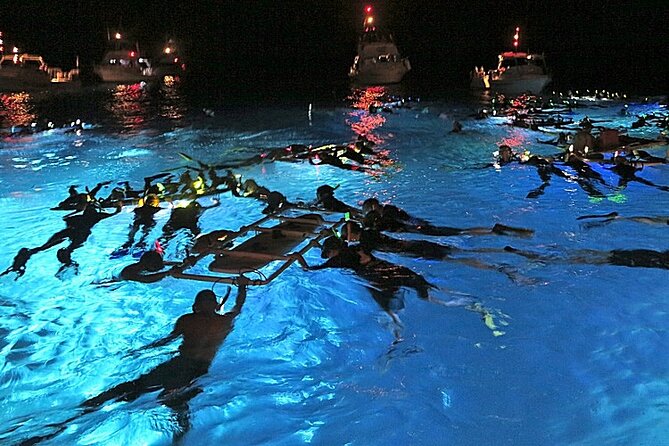
The main event is wonderfully simple: you hold onto a glowing board at night while manta rays sweep beneath you, sometimes close enough to brush your arm. The light draws plankton, and the plankton draws the mantas. The show belongs to the animals, not to a staged performance.
I like the small group, capped at 11 people, and the short ride from Keauhou Harbor to the viewing site. I also like the calm, careful work of in-water guides such as Sara and Molly, who explain what is happening while helping swimmers stay in position. The main drawback is that the boat ride and water time are brief, and manta sightings can never be guaranteed. Ocean conditions can also cancel the trip, sometimes with little warning.
Key points at a glance
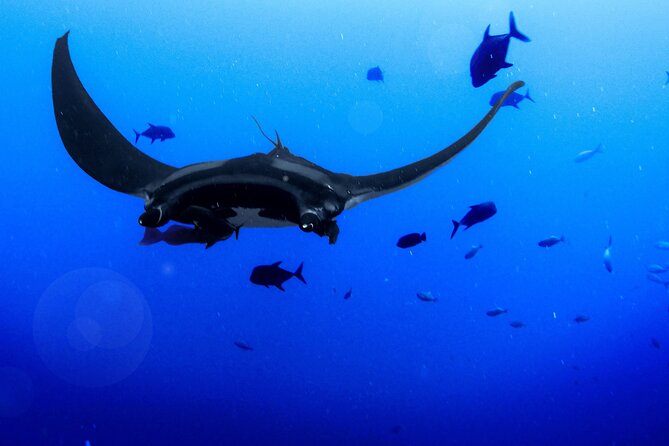
- Mantas can pass within inches: The glowing board brings you close to feeding rays without touching or chasing them.
- Small boat, personal help: The group limit of 11 allows the crew to give more direct attention than a large-boat outing.
- A quick ride to the site: Keauhou Harbor is close to the viewing area, with some trips reaching the water in about five minutes.
- About 30 minutes in the water: That may sound short, but it is enough time to see several rays when conditions cooperate.
- Snorkeling is optional: You can stay aboard and watch the sunset, though you still need a ticket.
- Bring motion-sickness medicine if needed: Choppy water has made some passengers uncomfortable, even on the short boat ride.
Why the manta encounter is so memorable
Kona’s night manta snorkel works because of a clever use of light. The board glows in the dark water, attracting plankton near the surface. Manta rays then glide through the concentrated food, making slow turns and graceful passes beneath the swimmers.
You are not feeding the animals, touching them, or following them around. You simply hold position and watch them feed. That distinction matters. The rays remain wild, and their movements are their own.
At times, you may see one large ray arrive alone. Then another may appear, followed by several more. Strong evenings have produced sightings of four, eight, 10, 14, or even around 20 mantas. That range tells you something important: the experience can be spectacular, but nature sets the schedule.
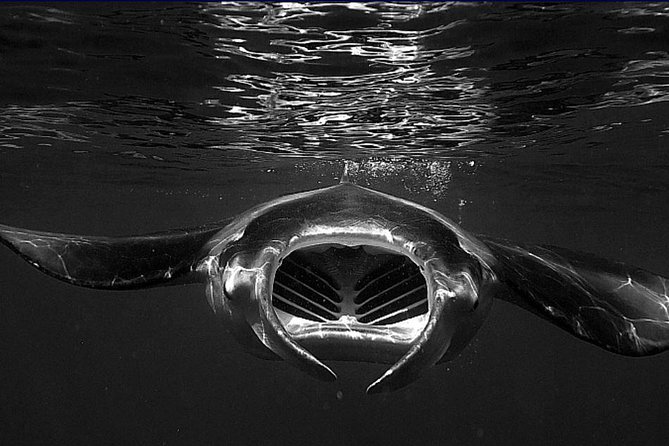
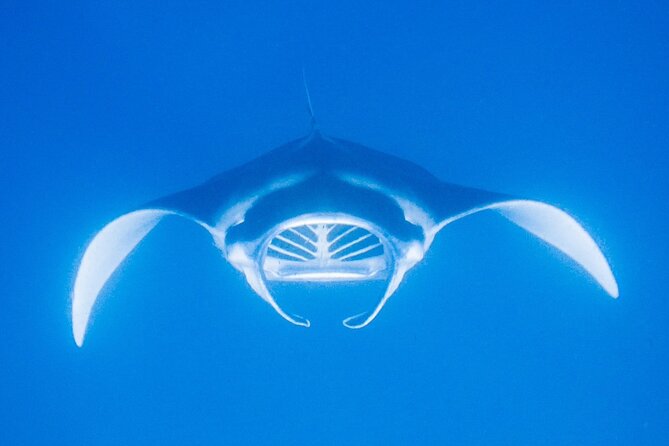
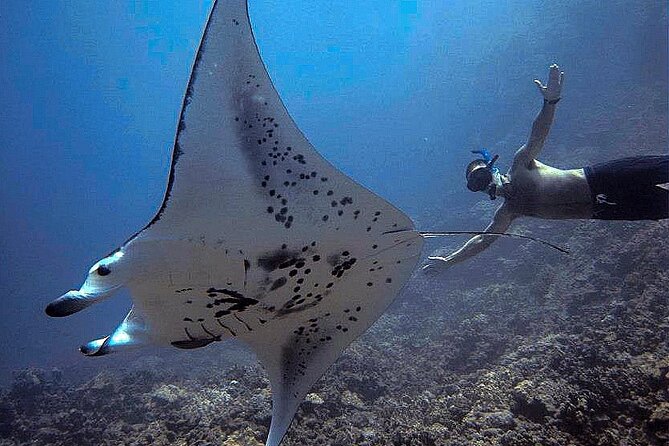
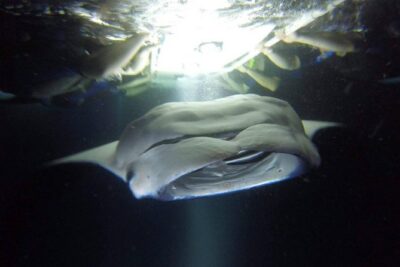
The best part is the closeness. A manta may turn on its side as it passes below, exposing its pale underside. It may circle back and glide along the board. You might see its mouth open as it filters plankton from the water. Keep your hands to yourself and let the animal choose the distance.
More Whale Shark and Manta Ray Snorkeling in Big Island:
- Big Island Manta Ray Night Snorkel
★ 5.0 · 5,656 reviews - Big Island: Kona Manta Ray Snorkel Tour in Keauhou Harbor
★ 4.5 · 2,465 reviews - KONA Manta Ray Night Snorkel – FREE re-ride if no Sightings
★ 5.0 · 2,212 reviews
Leaving Keauhou Harbor near sunset
The meeting point is at 78-7130 Kaleiopapa Street in Kailua-Kona, at Keauhou Harbor. You arrange your own transportation, and there is no shuttle from Hilo. If you are staying in or near central Kona, plan extra time for the drive and parking.
The check-in process deserves more attention than the short distance suggests. Arrive about 30 minutes before departure. Directions have confused some people, particularly because the van cannot park directly inside the harbor and may be about a block away. Look for the small parking signs and check any location text or map link sent to you.
This is not the time to cut it close. The boat cannot wait for late arrivals, and at least one passenger missed the trip after struggling to find the meeting spot. I would arrive early, save the exact address on my phone, and allow time to walk from parking to check-in.
Once aboard, the ride to the manta site may take only about five minutes. That short run is a real advantage. You spend less time sitting on a moving boat and more time near the light board. It also helps if you are prone to seasickness, though choppy water can still be a problem.
The sunset timing adds a pleasant first act. As the sky darkens, the crew explains how the mantas feed and what you should do in the water. Guides and crew members named in past outings include Sara, Molly, Justin, Shane, Lexi, Shawn, Kenichi, Ake, and Captain Justin. Crew assignments vary, but the strongest part of the operation is the in-water guidance.
Getting ready for the light board
The crew provides snorkel equipment, beverages, and an optional wetsuit. The supplied wetsuit is generally a short-sleeve top rather than a full suit with long sleeves and legs. That may be enough for many people, but you can feel chilly after floating in one place for 30 minutes.
If you are sensitive to cold, bring your own full wetsuit if you have one and if the operator permits it. The water can feel colder than expected at night, especially when you are holding still. Do not assume that optional wetsuit means full-body coverage.
The light board is the key piece of equipment. You hold onto it at the surface while the attached light draws plankton. An in-water guide remains with the group, helping you keep a comfortable position and explaining the animals as they pass.
You need to swim without help from a flotation device. The board supports your upper body, but this is still an active water outing. Ankle floats help support your legs, and pool noodles may be available on request, but an adult life jacket is not the normal viewing setup. A traditional life jacket holds your head high and makes it harder to look down into the water.
The process can feel brisk. The crew wants to get everyone into the water quickly because a stationary boat can worsen seasickness, and the light board can drift away from the boat. Faster entry also leaves more time for manta viewing. If you need help with your equipment or balance, ask directly.
About 30 minutes beneath the mantas
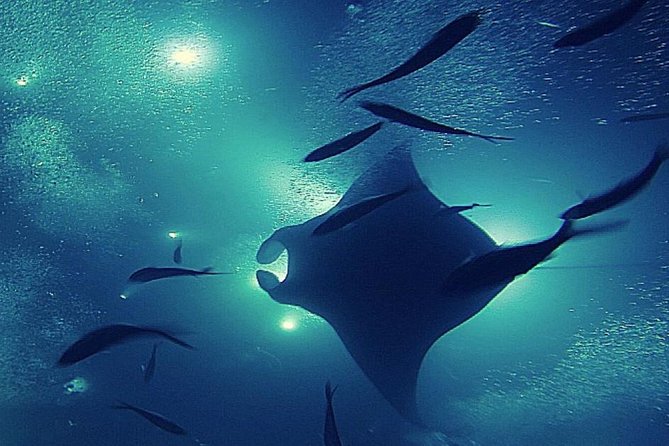
The in-water portion is short but focused. You hold the board, keep your face in the water, and watch the dark shapes gather beneath the lights. The guide may point out individual rays and explain their feeding habits while you float.
This is not a typical reef snorkel. You are not swimming from place to place or searching across a large area. The entire group stays with the light board, which keeps the action concentrated and makes the encounter easy to follow.
The rays often pass just below the surface. They may make repeated turns, roll slightly, and sweep under the board. Some evenings produce only a few animals. Others build slowly, with new mantas joining every few minutes. The strongest accounts describe groups of 10, 14, 15, or even 20 rays.
You should keep your body relaxed and avoid kicking hard. Sudden movement can make it harder to hold position and may disturb the viewing area. The goal is to float quietly and let the mantas come to you.
A waterproof phone case or an action camera with a wrist or chest attachment can be useful. Keep any camera secured so you are not trying to manage it and the board at the same time. The rays can come very close, so wide-angle footage works better than trying to zoom.
The experience is especially good for anyone who likes wildlife encounters more than a packed sightseeing schedule. You are watching behavior, not checking off a landmark. If you are lucky, the manta will turn toward you, exposing the pale markings on its underside before moving away.
More Night Snorkeling Trips in Big Island:
- Manta Ray Night Snorkel at Kona, Big Island
★ 5.0 · 1,758 reviews - Glow of the Deep: Night Snorkeling with Manta Rays
★ 4.5 · 1,254 reviews - Manta Ray Night Snorkel in Kona
★ 5.0 · 777 reviews - Manta Ray Night Snorkel from Kona — Small Group
★ 4.5 · 657 reviews
What the small group changes
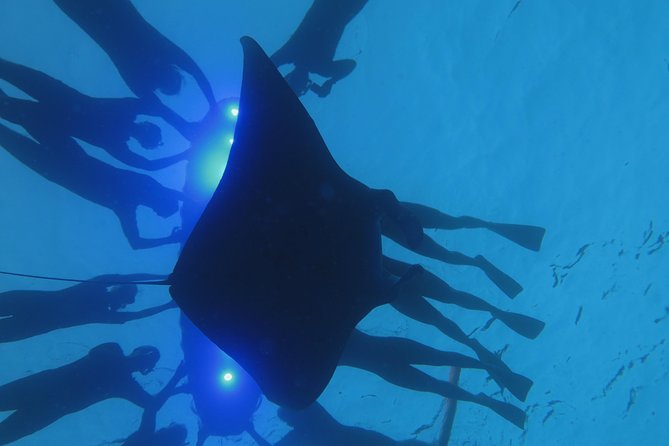
The maximum group size is 11, and that limit affects the mood. You have more room around the board, less crowding on the boat, and a better chance of hearing the guide.
Small groups also make the safety briefing more personal. Guides can help nervous swimmers, answer questions, and monitor the people in the water. One outing included a guide easing the fears of less confident participants before everyone entered.
The tradeoff is comfort and space rather than onboard luxury. Larger companies may use bigger boats with more room and more amenities. This smaller operation is more basic, with a compact boat and a quick transfer to the viewing area.
One particularly critical account described trouble boarding in choppy water, old ankle-float fasteners, and a shortage of adult life jackets. The operator explained that life jackets are reserved for emergencies because they interfere with viewing, and that crew should assist when help is requested. I would not ignore that feedback. Ask for help before stepping aboard if the boat is rocking, and check your equipment before entering the water.
The crew has also acknowledged that service can vary. Many outings describe friendly, attentive people, while a few passengers found the boat crew detached or the instructions unclear. The manta encounter itself receives the strongest praise, but the human side is not perfectly consistent.
Is $145 a fair price?
At $145 per person, this is not a bargain outing. You are paying for a short experience, usually around one hour from departure to return, with roughly 30 minutes in the water. The price includes the guide, snorkel equipment, beverages, local taxes, and an optional wetsuit.
The value depends on what you want. If you are paying for a long cruise, a roomy boat, or a full evening of entertainment, this may feel expensive. If you want a focused manta encounter with a small group and a very short ride to the site, the cost makes more sense.
The small group is the main value point. You are not sharing the light board with dozens of people, and you spend less time getting to the viewing site. The crew can also provide closer assistance than a large operation can manage.
Still, do not buy the trip expecting a guaranteed number of mantas. You may see several animals, or you may see fewer. The rays are wild, and poor weather can stop the outing altogether. A cancellation caused by unsafe sea conditions brings a new date or a full refund, but that does not replace a missed vacation evening.
Because this is such a distinctive Big Island activity, I would book it early. It averages about 35 days of advance booking, which signals that popular departure times can fill well ahead of a visit.
Who should book this Kona night snorkel?
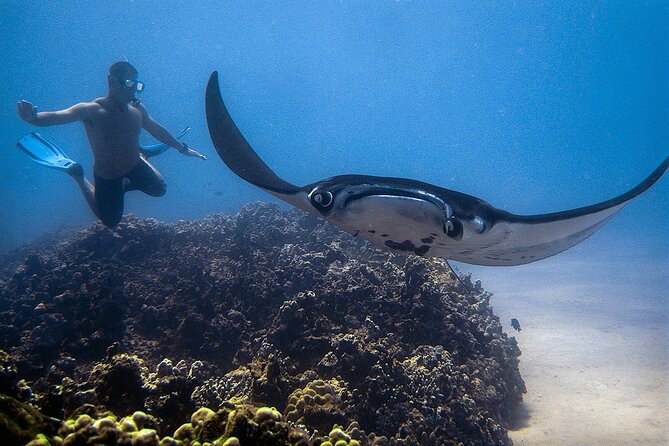
This outing suits a confident swimmer who wants a close wildlife encounter and is comfortable in open water at night. You should be able to swim without relying on a floatation device and manage a moderate level of physical activity.
Families can enjoy it, and groups have included children as well as adults. Each person needs a ticket, including passengers who stay on the boat and do not enter the water. That rule matters if only part of your family plans to snorkel.
The trip is also a good fit for older adults who are comfortable swimming. People in their 60s have found the activity manageable, but you should consider the short climb aboard, the rocking boat, and the need to hold the board in the water.
I would be cautious if you have neck problems, serious motion sickness, or trouble swimming without assistance. The tour is not recommended for people with neck problems, and choppy conditions can make the ride unpleasant. Take motion-sickness medicine such as Dramamine or Bonine only if it is suitable for you, and follow the product directions.
The maximum listed weight is 280 pounds per person. If you are near that limit or have concerns about the equipment, contact the operator before booking.
Practical ways to improve the evening
- Arrive 30 minutes early and save the meeting address on your phone.
- Bring a waterproof phone case or a secured action camera.
- Expect a wetsuit top, not necessarily a full wetsuit.
- Ask for a pool noodle or assistance if you need extra support.
- Take motion-sickness precautions before boarding if you are prone to nausea.
- Keep your hands off the mantas and avoid chasing them.
- Bring patience. The number of rays can change from one evening to the next.
- Plan your own route to Keauhou Harbor, since transportation is not included.
The boat may feel bare-bones compared with a large commercial outing. There may be drinks and snacks available, but supplies and onboard comfort can vary. The best reason to choose this trip is the water time and the small group, not a luxury boat experience.
Should you book Manta Magic?
I would book Manta Magic if seeing Kona’s manta rays is high on your Big Island list and you value a small group over a roomy boat. The five-minute ride to the viewing site, the light board, and the close work of guides such as Sara and Molly create a very direct encounter.
I would skip it if you need a full wetsuit, extensive onboard amenities, guaranteed wildlife, or a long, relaxed cruise. You should also leave room in your schedule for a weather cancellation and arrive early enough to avoid the meeting-point confusion.
For a swimmer who accepts those limits, this is one of the most unusual things you can do near Kailua-Kona. A few minutes of preparation can put you beneath a circle of manta rays, watching one of Hawaii’s most striking wild spectacles at arm’s length.
FAQ
Where does the manta snorkel begin?
It begins at 78-7130 Kaleiopapa Street in Kailua-Kona, Hawaii, near Keauhou Harbor. The activity returns to the same meeting point.
How long does the experience last?
The listed duration is about one hour. The boat ride to the viewing area can take about five minutes, and the water portion is generally around 30 minutes.
How many people can join the boat?
The maximum group size is 11 travelers.
Is snorkeling required?
No. Snorkeling is optional, and you may remain on the boat to enjoy the sunset. A ticket is required for every passenger, even if you do not enter the water.
What is included in the price?
The price includes beverages, a professional guide, snorkeling equipment, local taxes, and an optional wetsuit.
Do I need to know how to swim?
Yes. You must be able to swim without assistance from a flotation device.
Is transportation to the harbor included?
No. You are responsible for transportation to and from the meeting point.
What happens if bad weather cancels the trip?
If poor weather makes the activity unsafe, you can choose a different date or receive a full refund. You can also cancel for a full refund if you cancel at least 24 hours before the start time. Cancellations within 24 hours are not refunded.
Just added around Big Island
- Ultimate Ocean Encounters Midday Snorkel★ 4.5 · 43 reviews
- Two Tank Morning Reef Dive and Snorkel★ 5.0 · 54 reviews
- Waikoloa Catamaran Snorkel Sail Including Lunch★ 4.5 · 105 reviews
- Kona Luxury Catamaran Yacht Snorkel & Sail★ 5.0 · 40 reviews
- Manta Ray Night Snorkel Tour in Kailua-Kona, Big Island★ 5.0 · 382 reviews
- 2-Hour Dolphin Watching and Double Reef with Snorkel in Hawaii★ 5.0 · 23 reviews
- Premium Kona Coast Morning Snorkel★ 5.0 · 179 reviews
- Sunset Cruise & Manta Night Snorkeling Charter★ 5.0 · 16 reviews
Whale Shark and Manta Ray Snorkeling, compared.
️Nusa Penida by Private Boat – Snorkeling 4 spots, Swim with Mantas + Land Tour
Read our review →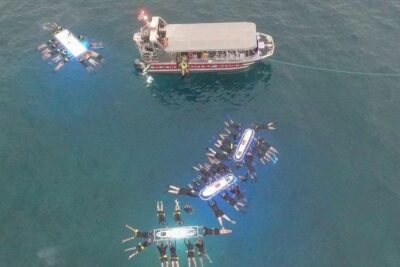
Kona Manta Ray Snorkel Tour in Keauhou Harbor
Read our review →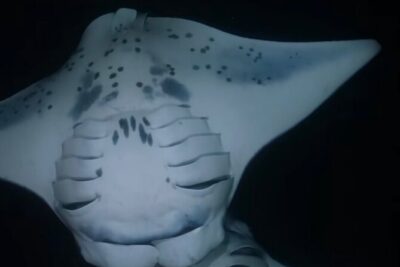
KONA Manta Ray Night Snorkel – FREE re-ride if no Sightings
Read our review →
Nusa Penida day trip: boat, 4 snorkeling, Manta rays & Land tour
Read our review →
Bali/Nusa Penida: Manta Point Snorkeling & West Coast Tour
Read our review →