
REVIEW · WHALE SHARK AND MANTA RAY SNORKELING
Manta Ray Snorkeling by Night in Kailua-Kona, Hawaii
Kona’s nighttime manta ray snorkel is one of Hawaii’s most unusual ocean outings: you float beneath the stars while wild manta rays sweep through the light to feed on plankton. The short ride aboard a Hawaiian double-hulled canoe adds a genuine sense of place, rather than making the whole trip feel like a standard boat transfer.
I like the small group of 12 or fewer, which makes boarding, questions, and in-water help easier. I also like that wetsuit tops, flotation equipment, and prescription snorkel masks are included. The main drawback is simple: the tour is short, and manta sightings can never be guaranteed.
Key points
- Wild manta rays: The rays are not fed or trained, so every sighting is natural and unpredictable.
- Small canoe format: The historically accurate Hawaiian canoe carries no more than 12 people.
- Purpose-built lights: Blue lightboards draw plankton close to the surface, giving the rays a reason to visit.
- Real water skills needed: You must be able to swim and climb a short ladder without help.
- About 45 minutes in the water: The full outing is commonly around 1 hour to 1 hour 15 minutes.
- Bring your own towel: Towels, snacks, drinks, transportation, and motion sickness medicine are not included.
Why Kona’s night manta encounter feels so different
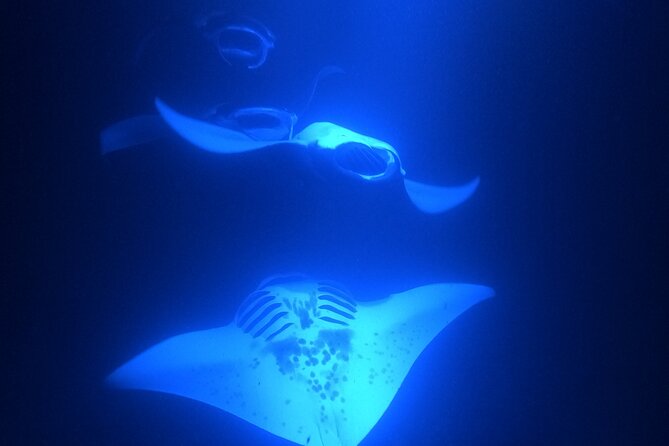
Most ocean wildlife tours ask you to look outward from a boat. This one places you at the water’s surface, face down over a lightboard, while manta rays circle below and sometimes pass within inches of you.
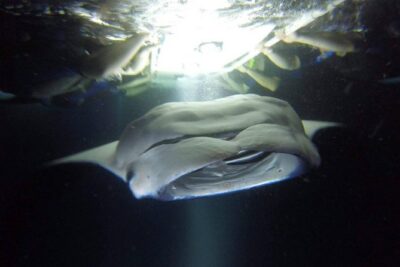
The light attracts plankton, which attracts the rays. You are not chasing them, touching them, or watching trained animals perform. The appeal is the quiet drama of seeing a large wild creature turn through the darkness, its broad fins folding and opening as it feeds.
That wild element matters. Eka Canoe Adventures cannot promise manta rays on every departure. If the rays fail to appear, the company offers another chance on a different evening or during a future visit to Kona, subject to available seats. A missed sighting does not bring a cash refund, so you should book this as a wildlife experience, not as a guaranteed show.
When conditions cooperate, the payoff can be extraordinary. You might see one ray make a brief pass, or several animals gather beneath the lights and circle again and again. The setting is especially memorable because the water is dark, the coast is quiet, and the rays seem to appear from nowhere.
More Whale Shark and Manta Ray Snorkeling in Big Island:
- Big Island Manta Ray Night Snorkel
★ 5.0 · 5,656 reviews - Big Island: Kona Manta Ray Snorkel Tour in Keauhou Harbor
★ 4.5 · 2,465 reviews - KONA Manta Ray Night Snorkel – FREE re-ride if no Sightings
★ 5.0 · 2,212 reviews
Meeting at Kaleiopapa Street and getting ready
The meeting point is 78-7130 Kaleiopapa Street in Kailua-Kona. You return to the same place at the end, and the location is near public transportation, but private transportation is not included.
Pay attention to the day-of text message if you opt in during booking. It includes parking instructions and pictures to help you find the check-in area. That small bit of preparation is useful because an evening meeting point can be harder to locate than a daytime attraction.
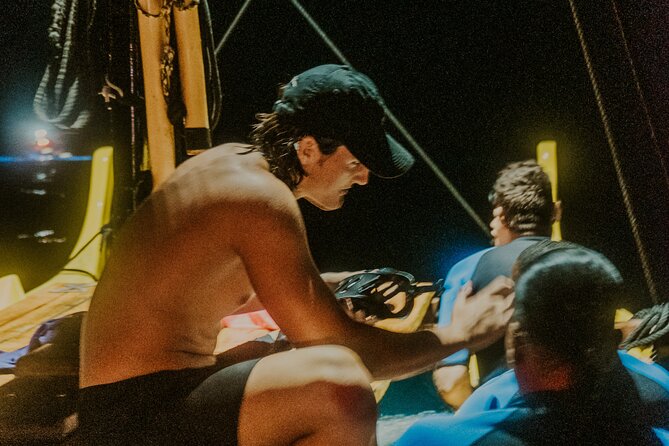
At check-in, the crew fits you with a wetsuit top and snorkeling equipment. Normal and prescription masks are available. Height and weight are collected so the crew can choose the right wetsuit size, rather than asking for a shirt size.
You also receive flotation equipment. The lightboard is central to the experience, since it gathers plankton near the surface and gives you something to hold while you watch the rays. Holding a board for a long period can tire your arms, so do not assume the flotation aid makes the water effortless.
The crew gives safety instructions before you enter the ocean. The small group makes this part less rushed than it can be on a crowded boat. Guides have helped nervous swimmers enter the water, and the crew checks on people during the snorkel. That support is important because nighttime ocean swimming can feel much more demanding than a calm daytime swim.
A short ride in a traditional Hawaiian canoe
The ride to the manta site takes only a few minutes, according to the experience details and guest accounts. That is good news if you dislike long boat transfers or get seasick easily, although motion sickness medication is not provided.
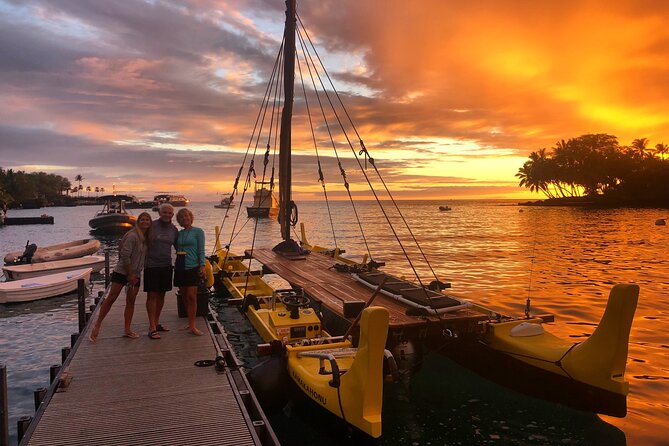
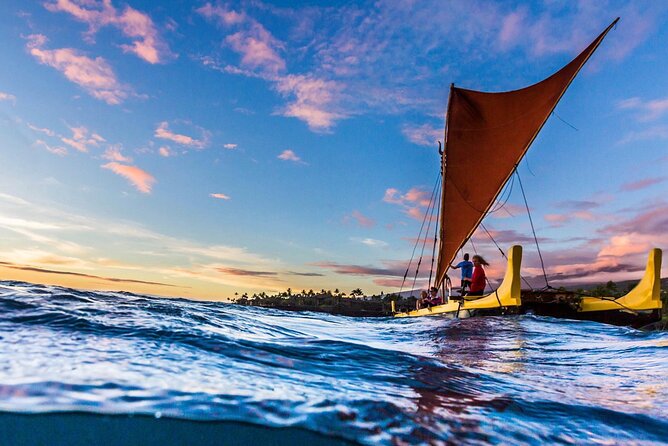
The canoe is a historically accurate Hawaiian double-hulled sailing canoe. It is not simply transportation with a few cultural details added afterward. The canoe shapes the mood of the outing, giving you a closer connection to the coast and a quieter ride than a large motorboat might provide.
You should still expect the movement of the ocean. One account describes rough water and rain, while other outings included a beautiful sunset before the nighttime portion began. Weather can change the comfort of the ride and the clarity of the water, even when the manta rays are present.
The canoe format also limits capacity to 12 people. That number is small enough that you are not packed shoulder to shoulder with a large crowd. It also means the crew can pay closer attention as people enter and leave the water.
Entering the water beside the lightboard
The canoe stops near the illuminated flotation board. You enter the water with your snorkeling gear and wetsuit top, then move to the board and hold on while the crew positions everyone.
The transition is a real part of the experience. You need basic swimming ability, and you must be able to climb a short ladder without assistance when it is time to return. Some people feel nervous about jumping into dark water, but the crew provides guidance and physical help within the limits of the activity.
You will not be standing on the ocean floor. The experience involves floating at the surface and watching below you. If you are uncomfortable in open water, recently had surgery, or have mobility or physical restrictions, this outing may not suit you.
The wetsuit top helps with warmth, but the water can still feel chilly. One practical tip is to bring a dry towel for afterward. Towels are not supplied, and you will appreciate having one when you climb back into the canoe.
A few more days in the water around Big Island worth a look
- Big Island: Captain Cook Snorkel On A Power Catamaran With Lunch
★ 5.0 · 2,232 reviews - Manta Ray Night Snorkel at Kona, Big Island
★ 5.0 · 1,758 reviews - Kona Snorkel Tour: Captain Cook Reef Snorkel, Dolphin & Sea Caves
★ 4.5 · 1,411 reviews - Glow of the Deep: Night Snorkeling with Manta Rays
★ 4.5 · 1,254 reviews
Watching manta rays feed beneath the moonlit water
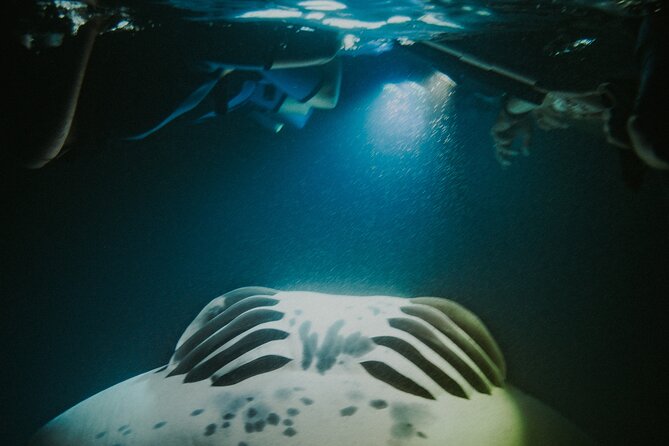
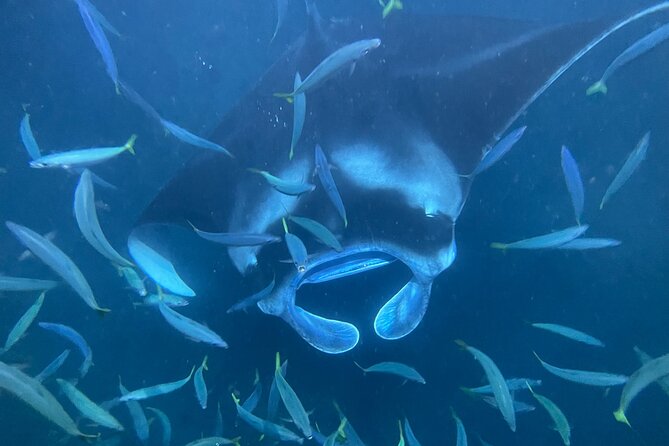
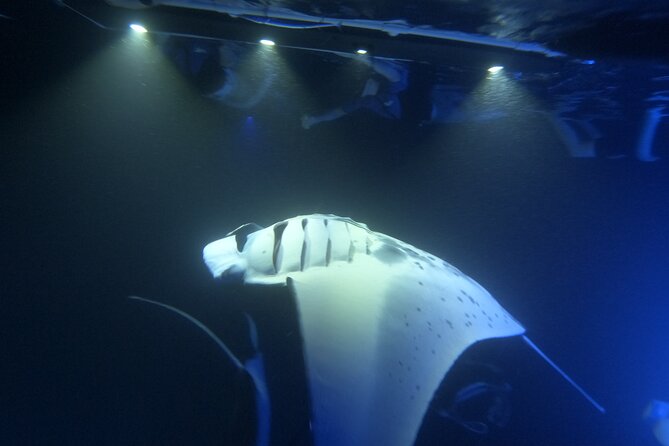
Once everyone is settled around the board, the main event begins. The blue light draws plankton upward, and the manta rays follow their food. The animals may glide directly beneath the group, loop around the lights, or disappear for several minutes before returning.
The best part is the scale of the encounter. Manta rays can look almost weightless as they move, despite their size. They turn, roll, and unfurl their fins with slow control, often passing close enough for you to see their markings and movements clearly.
You are there to watch, not touch. The rays are wild and should be given space. The guides explain how to behave around them and keep an eye on the group. Crew members have been praised for calm support, clear instructions, and careful attention during boarding and the in-water portion.
The water time is usually around 45 minutes or more, while the entire activity is roughly 1 hour to 1 hour 15 minutes. The advertised duration is about one hour, so allow for the longer figure when planning your evening. Once the rays begin circling, the time can feel short, especially if you are hoping for one more pass.
The lightboard can become tiring to hold. One person found the waiting period exhausting, even after seeing rays early in the session. If your arms tire, tell the guide rather than trying to push through discomfort. The crew can help you manage your position as safely as possible.
What the small group changes
A maximum of 12 people is one of the strongest reasons to choose this canoe trip. Smaller numbers make the ride more personal, but the bigger advantage comes at the water. You have less competition for space around the lightboard and a better chance of hearing the guide’s narration.
A small group also helps if someone is nervous. Guides can pay attention to individual concerns instead of trying to manage a large crowd. People who needed reassurance entering the water have described receiving patient help from the crew.
There is a tradeoff. A small canoe has fewer total resources than a large boat, and the lightboard area may still feel busy when everyone gathers around it. The board can be tiring, and the available space is not unlimited. Still, the intimate format is a strong fit for couples, families, and anyone who dislikes being loaded onto a crowded vessel.
The crew names associated with especially warm feedback include Ni’Koa, Kalala, Kama, Chris, Lance, Chaden, Beck, Tayler, and Rob. Staff assignments can change, so do not book expecting a particular guide. What you can reasonably expect is a team built around safety instructions, water support, and information about manta rays.
Is $127.10 a fair price?
At $127.10 per person, this is not the cheapest way to see manta rays in Kona. The value rests on the format, not on the amount of time. You pay for a small group, a traditional canoe, equipment, wetsuit tops, flotation support, prescription mask availability, and a crew focused on a specialized wildlife outing.
The tour lasts about an hour to an hour and 15 minutes, with roughly 45 minutes or more in the water. That is a compact schedule, but it can work well if you want a memorable evening without giving up half a day.
I think the price makes the most sense for you if crowd size matters, if you value the canoe ride itself, or if you want more direct support in the water. A larger operator may offer a lower rate, but the experience can feel less personal. On the other hand, if you are mainly comparing minutes in the water, $127.10 may feel high.
You should also factor in the risk of no manta sighting. The guarantee provides another opportunity, not a refund. That policy is understandable for a wild animal encounter, but it means you need enough flexibility to return on another night if the first outing is quiet.
Who should book this Kona snorkel?
This experience suits confident swimmers, families with children age five and older, couples seeking a memorable evening, and solo visitors who want a guided ocean activity. Several family outings had strong support from the crew, and the calm instruction can help people who feel nervous before entering the water.
It is particularly good for people who want a small group and a short boat ride. You may also prefer it if the canoe is part of the attraction for you, rather than just a way to reach the water.
I would think twice if you cannot swim, cannot climb a short ladder unassisted, or have a recent surgery or physical limitation. The activity is not recommended in those cases. It also is not ideal if you need a guaranteed wildlife sighting, a long relaxed cruise, supplied towels, or included food and drinks.
Coffee, tea, snacks, and towels are not included. Plan to bring what you need for afterward, especially a towel and any motion sickness medication you use.
Timing, weather, and cancellation rules
The experience runs at night because manta rays are most active around the lights after dark. Some departures begin early enough to include a sunset, while later times focus more fully on the night encounter.
Good weather is required. If poor weather cancels the activity, you can choose another date or receive a full refund. The same applies if the minimum number of participants is not met.
You can cancel for a full refund up to 24 hours before the local start time. Changes or cancellations made less than 24 hours in advance are not accepted for a refund. Keep that deadline in mind before booking a time near the end of your trip.
My call: book it if the format matters to you
I would book Eka Canoe Adventures if I wanted a small-group manta experience with a short ride and a distinctive Hawaiian canoe. The combination of wild rays, close water access, lightboards, and attentive in-water support gives the outing a clear identity.
I would not choose it simply because it is the lowest-priced option or because I needed a guaranteed sighting. You must accept the wildlife risk, the short duration, the chilly water, and the need to manage your own towel and personal medication.
For a confident swimmer who wants one extraordinary hour on the Kona Coast, this is a strong choice. Just keep your expectations honest: you are not booking a theater show. You are entering the ocean at night and hoping that wild manta rays decide to come feed.
FAQ
How long does the manta ray snorkel last?
The listed duration is about one hour. The operator describes the full outing as roughly 1 hour and 15 minutes, with actual snorkeling commonly lasting 45 minutes or more.
How many people can join the canoe?
The maximum group size is 12 participants.
Are snorkeling equipment and wetsuits included?
Yes. The experience includes snorkel equipment, normal and prescription masks, flotation devices, and a wetsuit top for warmth.
Do I need to know how to swim?
Yes. You must have basic swimming skills and be able to climb a short ladder without assistance.
Are manta rays guaranteed?
No. The manta rays are completely wild and are not fed or trained. If none appear, the manta guarantee provides another chance on a different evening or during a future visit to Kona, subject to available seats.
What should I bring?
Bring a towel because towels are not supplied. Snacks, coffee, tea, private transportation, crew gratuity, and motion sickness medication are also not included.
What happens if bad weather cancels the tour?
You can choose a different date or receive a full refund if the activity is canceled because of poor weather. The same options apply if the minimum number of participants is not met.
Just added around Big Island
- Ultimate Ocean Encounters Midday Snorkel★ 4.5 · 43 reviews
- Two Tank Morning Reef Dive and Snorkel★ 5.0 · 54 reviews
- Waikoloa Catamaran Snorkel Sail Including Lunch★ 4.5 · 105 reviews
- Kona Luxury Catamaran Yacht Snorkel & Sail★ 5.0 · 40 reviews
- Manta Ray Night Snorkel Tour in Kailua-Kona, Big Island★ 5.0 · 382 reviews
- 2-Hour Dolphin Watching and Double Reef with Snorkel in Hawaii★ 5.0 · 23 reviews
- Sunset Cruise & Manta Night Snorkeling Charter★ 5.0 · 16 reviews
- Private Big Island Snorkeling★ 4.5 · 30 reviews
Whale Shark and Manta Ray Snorkeling, compared.
️Nusa Penida by Private Boat – Snorkeling 4 spots, Swim with Mantas + Land Tour
Read our review →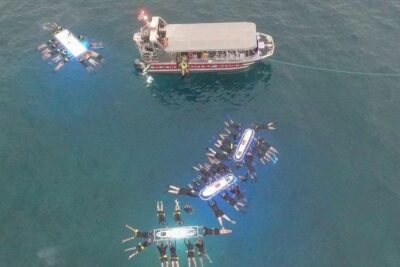
Kona Manta Ray Snorkel Tour in Keauhou Harbor
Read our review →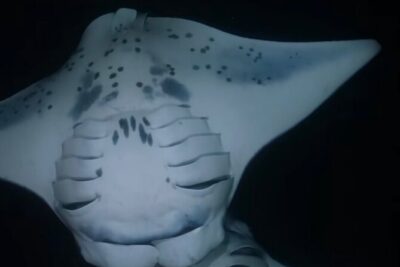
KONA Manta Ray Night Snorkel – FREE re-ride if no Sightings
Read our review →
Nusa Penida day trip: boat, 4 snorkeling, Manta rays & Land tour
Read our review →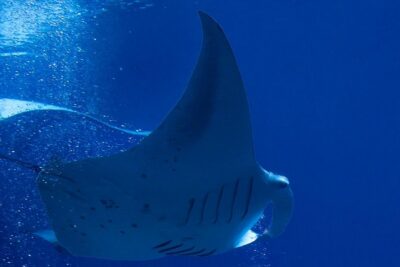
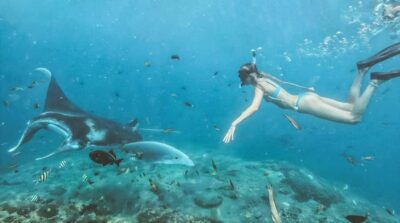
Bali/Nusa Penida: Manta Point Snorkeling & West Coast Tour
Read our review →
Glow of the Deep: Night Snorkeling with Manta Rays
Read our review →Lists this trip appears in