
REVIEW · WHALE SHARK AND MANTA RAY SNORKELING
Kailua Kona: Manta Ray Night Snorkel Tour with Guide
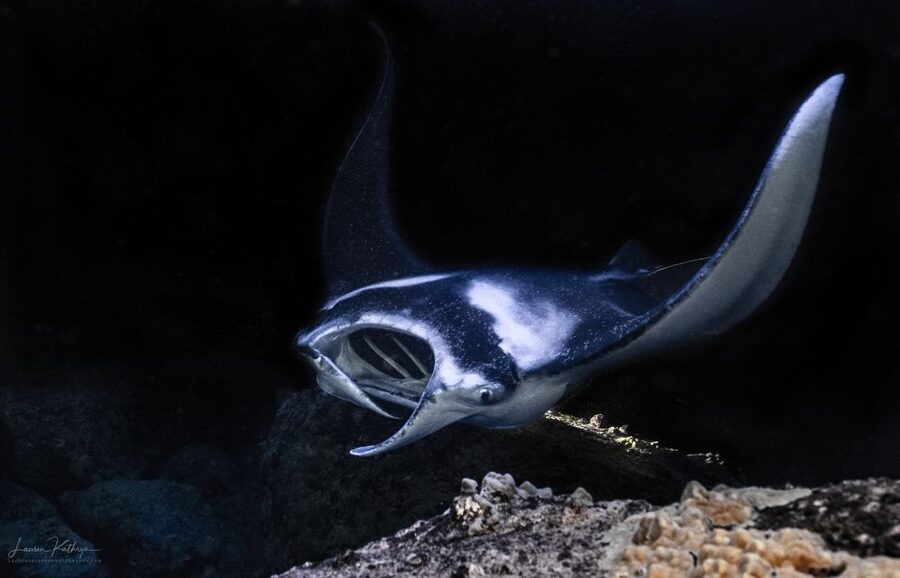
The main event is wonderfully strange: you float in the dark Pacific while bright lights draw plankton upward, and manta rays sweep beneath you with wingspans reaching 16 feet. The rays can pass within inches of your body, but you must let them choose the distance and never touch them.
I like the small family-run operation and the way the crew stays close in the water. I also like the useful extras: shorty wetsuits, proper snorkel gear, CPR and lifeguard-certified crew, and sometimes hot chocolate after the swim. The tradeoff is clear: this is an open-ocean night swim, and you need to be comfortable snorkeling, climbing a boat ladder, and handling a dark, occasionally bumpy ride.
Key Things to Know Before You Book
- Manta rays feed under LED lights: Plankton gathers in the beam, bringing the rays up close to the surface.
- A guide stays in the water: Crew members help you stay calm, positioned, and respectful around the animals.
- The boat ride takes 15 to 25 minutes each way: Sunset views can appear on the way out, while the return may be dark and rough.
- Groups are kept relatively small: Some outings have had about six people, while others have carried closer to 10 to 20.
- You get at least 35 minutes in the water: That gives you real viewing time rather than a quick splash and exit.
- Swimming ability is required: You must climb the side ladder independently, and the trip is not suited to non-swimmers or people with certain medical limits.
Why Kona’s Night Manta Swim Is So Special
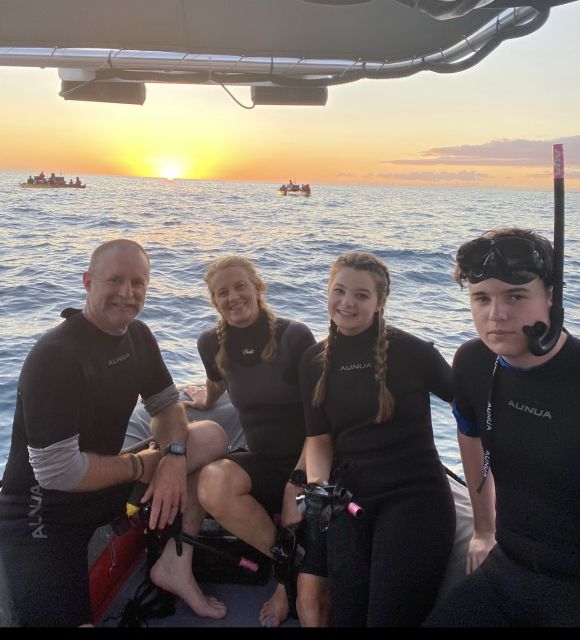
Kona’s manta ray viewing works because the animals come to a feeding area near the coast after dark. Lights on the boat or viewing setup attract plankton, and the mantas follow the food. You are not visiting an aquarium or watching a trained performance. These are wild animals moving on their own terms.
That makes each outing a little different. You might see one or two rays, or several circling below at once. Some outings have produced four, five, six, seven, or even many more mantas in the light. A few reports describe nine large rays directly beneath the group, while another recalled roughly 20 to 30 animals in the water at one time.
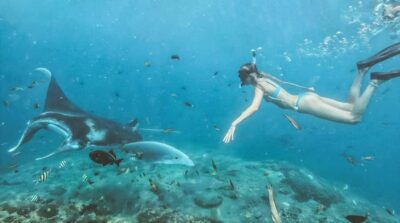
The most memorable part is the way they move. A manta can glide upward, turn on its side, and pass beneath you in a slow loop before disappearing into the black water. Their mouths open as they filter plankton, which looks dramatic but is harmless to people. You may feel a gentle brush if a ray comes unusually close, though you should never reach toward one.
This is not a guaranteed animal encounter. The crew can choose a good location and use the lighting well, but the mantas are wild. That uncertainty is part of the point, and it is worth keeping in mind if you need a fixed, predictable show.
More Whale Shark and Manta Ray Snorkeling in the USA:
- Big Island Manta Ray Night Snorkel
★ 5.0 · 5,656 reviews - Big Island: Kona Manta Ray Snorkel Tour in Keauhou Harbor
★ 4.5 · 2,465 reviews - KONA Manta Ray Night Snorkel – FREE re-ride if no Sightings
★ 5.0 · 2,212 reviews
Leaving from Honokohau Harbor
The meeting point is on the north side of Honokohau Small Boat Harbor at 74 Kealakehe Parkway in Kailua-Kona. Search for Snorkel Big Island in Google Maps if the street address feels unclear.
From Highway 19, turn west toward the ocean at the sign for Honokohau Marina and Small Boat Harbor. Take the first right into the north side of the harbor, then follow the road around the bend for about a quarter mile. You will pass Gentry’s gas station on the left.
Continue toward the end and park near the Kona Sailing Club. Do not enter the club or disturb its operations. Look for the black Ram 2500 truck marked for Snorkel Big Island. The captain may still be returning with an earlier group, so allow a little patience at the ramp.
The crew meets you near the truck and brings you to the boat ramp between the pavilion and the sailing club. Arrive on time. A boat departure is not the sort of thing that can easily wait for late arrivals.
A Short Boat Ride with a Big Change in Mood
The ride to the manta site usually takes 15 to 25 minutes. That is short enough to avoid turning the evening into a long cruise, but long enough for the mood to change from harbor activity to open water.
If your timing is right, you may watch the sunset on the way out. After dark, the boat ride can feel quite different. One person found the ride out and back very dark, while another described the sea as rough going out. If you are prone to motion sickness, plan carefully, though the supplied information does not specify a medication policy.
The boat is described as spacious and comfortable, but this is a practical snorkeling vessel rather than a luxury yacht. Bring your swimsuit, follow the crew’s instructions, and expect to get wet. The focus is on reaching the feeding area safely and giving you time in the water, not on elaborate onboard entertainment.
Getting Ready for the Manta Rays
Before entering the water, the crew provides snorkel equipment and shorty wetsuits. The wetsuit adds warmth and a little flotation, which can help during a night swim, though it does not replace swimming ability.
The guides explain how to stay in position and how to avoid harming the mantas. You generally hold onto a floating board or viewing structure while looking down into the illuminated water. This setup helps keep the group together and gives you something stable to hold, but you still need enough strength and confidence to manage yourself in the ocean.
A crew member remains in the water with the group. That matters more at night than it would during an easy daytime snorkel. The guide can answer questions, help you stay oriented, and watch the group while the captain and other crew manage the boat.
The best approach is calm and quiet. Keep your hands to yourself, avoid kicking toward the animals, and let the mantas pass beneath you. Their broad wings can make them look intimidating at close range, but they are gentle filter feeders.
More Night Snorkeling Trips in the USA:
- Manta Ray Night Snorkel at Kona, Big Island
★ 5.0 · 1,758 reviews - Glow of the Deep: Night Snorkeling with Manta Rays
★ 4.5 · 1,254 reviews - Manta Magic: Small-Group Manta Ray Night Snorkel in Kailua Kona
★ 5.0 · 1,141 reviews - Manta Ray Night Snorkel in Kona
★ 5.0 · 777 reviews
At Least 35 Minutes in the Water
The listed schedule allows at least 35 minutes of snorkeling, with the full outing lasting about two hours. The actual number of rays and their behavior will shape how that time feels.
At first, the water may seem like a dark empty space with only the glow from below. Then a pale shape appears at the edge of the light. The manta rolls through the beam, turns, and vanishes. Another may arrive from the opposite side.
This sudden appearance is part of the thrill. You are not simply looking at animals behind glass. You are waiting, watching, and sharing the water with creatures that can leave whenever they want.
Some outings have produced close encounters for most of the swim, with rays repeatedly circling below. Other accounts describe the animals appearing right away, which means little waiting once the group reaches the site. Still, you should keep expectations sensible. The tour can improve your chances, not control nature.
The guides add context during the swim. Names such as Eli, Elijah, Johnny, John, Jay, and Bradley appear in the crew accounts, while Captain Kelly and the John family team are also associated with outings. The exact crew depends on your departure, but the operation emphasizes an experienced captain and in-water guides.
One useful detail is the attention to animal care. The company presents the experience as part of a wider duty to protect the land, ocean, animals, and one another. That is reflected in the basic rule you need to follow: observe the mantas without touching or chasing them.
Small Groups Make a Real Difference
Group size can shape this tour more than the boat ride does. A few outings have had only six people, while another described roughly 10 to 20 passengers. That is still smaller than some large manta boats, but you should confirm the expected group size if this is your main reason for booking.
A smaller group means less crowding around the floating board and fewer people kicking nearby. It also gives the in-water guide a better chance to keep track of everyone. If you are nervous about snorkeling at night, that personal attention can make the difference between enjoying the swim and spending the whole time counting down the minutes.
The tradeoff is that a small boat may feel more exposed to waves. Larger vessels can sometimes offer more room or a steadier ride, though no boat removes the open-ocean conditions. Here, the benefit is a closer, less crowded encounter rather than extra onboard comforts.
Safety, Swimming Ability, and Physical Limits
This tour requires prior swimming and snorkeling experience. You must be able to enter and exit the water and climb a side boat ladder without help. That requirement is important, especially after swimming in cool water at night.
The activity is not suitable for non-swimmers. It is also not recommended for people with back problems, heart problems, recent surgery, mobility restrictions, or other physical limits. Pregnant women are advised not to book, though the operator can be contacted about exceptions.
These rules are not minor fine print. The boat may be moving in open water, the ladder requires upper and lower body strength, and the group cannot redesign the trip around one person’s physical needs. If you have any doubt, contact Snorkel Big Island before paying.
The crew is CPR and lifeguard certified, and the in-water guide is there to support the group. That is reassuring, but it does not change the basic requirement that you need to manage yourself in the water.
What the $137 Price Buys You
At $137 per person, this is not a cheap add-on, but it is a reasonable price for a two-hour boat trip with equipment, wetsuit use, captain, in-water guide, and a guaranteed minimum of 35 minutes of snorkeling time.
You are paying for more than a boat ride. The crew must position the boat, run the lighting, keep the group together, monitor swimmers, and bring everyone safely back to the harbor. The quality of that coordination matters, especially at night.
The value is strongest if manta rays are high on your Big Island wish list. Several people described the experience as the best activity of their trip, and one person flew from Oahu to the island specifically for it. That does not mean you are guaranteed a perfect animal encounter, but it shows why this tour can justify a larger share of your activity budget.
The price also compares favorably with a crowded, rushed outing if the smaller group and personal guidance are important to you. On the other hand, if you dislike cold water, boat motion, or uncertain wildlife sightings, you may not see the same value.
Free cancellation is available up to 24 hours before departure, and you can reserve now and pay later. Check the current starting times when booking, since the exact departure schedule can vary.
The Ride Back and the Small Comforts
After the swim, you climb the ladder, return your equipment, and head back toward Honokohau Harbor. The return can be dark, but that gives you a chance to look up at the stars if the sky is clear.
A hot drink can matter after standing in the water at night. One outing included hot chocolate, and other accounts mention snacks and water. These extras may vary, so I would treat them as pleasant possibilities rather than promised features.
Some crews also share videos taken in the water, and one guide sent footage by phone after the outing. Bring your own underwater camera or GoPro if you want personal footage, but do not let the camera distract you from the animals. The supplied information does not promise professional photography, so consider any crew video a bonus.
Who Should Book This Manta Tour?
I would choose this trip if you can swim confidently, want a close wildlife encounter, and do not mind the idea of floating in the ocean at night. It is particularly well suited to couples, families with capable older children, and anyone who prefers a small local operation over a large boat.
It is also a good pick for people who like natural experiences with a strong sense of place. The mantas are not performing tricks, and the crew cannot guarantee how many will appear. That makes the encounter feel more genuine, but it demands flexibility from you.
I would skip it if you are a non-swimmer, cannot climb a ladder independently, have a recent surgery, or have serious back or heart concerns. I would also think twice if a rough boat ride or nighttime ocean conditions would make you miserable. A beautiful animal encounter is not worth ignoring your own limits.
Should You Book It?
Yes, if you meet the swimming requirements and want one of Kona’s most unusual evening activities. The combination of wild mantas, LED-lit plankton, a family-run crew, and at least 35 minutes in the water gives this tour strong value at $137.
Book it for the chance to watch huge rays glide beneath you, not for a guaranteed number of animals. If you arrive prepared for darkness, motion, and a real ocean setting, Snorkel Big Island offers a thoughtful way to meet Kona’s gentle giants.
FAQ
Where does the manta ray tour meet?
The tour meets on the north side of Honokohau Small Boat Harbor at 74 Kealakehe Parkway in Kailua-Kona. Search Google Maps for Snorkel Big Island to find the correct side of the harbor.
How long does the activity last?
The full activity lasts about two hours. The boat ride takes about 15 to 25 minutes each way, and you receive at least 35 minutes of snorkeling time.
What is included in the price?
The tour includes snorkel equipment, a shorty wetsuit, an experienced captain and crew, and CPR and lifeguard-certified staff. An in-water guide also stays with the group.
Do I need prior snorkeling experience?
Yes. Prior swimming and snorkeling experience is required, and you must be able to climb the boat’s side ladder independently.
Can non-swimmers join?
No. The activity is not suitable for non-swimmers.
Is the tour suitable for people with medical or mobility restrictions?
It is not recommended for people with back problems, heart problems, recent surgery, mobility restrictions, or other physical limitations. Pregnant women are also not advised to participate. Contact the operator about any specific concern.
What should I bring?
Bring swimwear. You may also want an underwater camera or GoPro if you want your own photos and video.
Can I cancel the booking?
You can cancel up to 24 hours before the activity for a full refund. Reserve now and pay later is also available.
Just added around the USA
- Boca Raton Premium Jet Ski Tour – Optional Snorkeling/Lighthouse★ 5.0 · 9 reviews
- Ultimate Ocean Encounters Midday Snorkel★ 4.5 · 43 reviews
- Two Tank Morning Reef Dive and Snorkel★ 5.0 · 54 reviews
- Waikoloa Catamaran Snorkel Sail Including Lunch★ 4.5 · 105 reviews
- Kona Luxury Catamaran Yacht Snorkel & Sail★ 5.0 · 40 reviews
- Manta Ray Night Snorkel Tour in Kailua-Kona, Big Island★ 5.0 · 382 reviews
- 2-Hour Dolphin Watching and Double Reef with Snorkel in Hawaii★ 5.0 · 23 reviews
- Sunset Cruise & Manta Night Snorkeling Charter★ 5.0 · 16 reviews
Whale Shark and Manta Ray Snorkeling, compared.
️Nusa Penida by Private Boat – Snorkeling 4 spots, Swim with Mantas + Land Tour
Read our review →
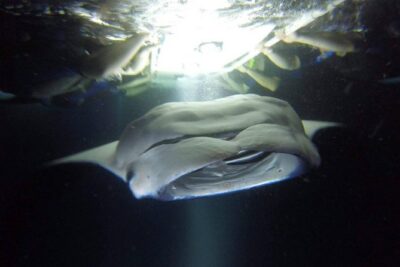
Kona Manta Ray Snorkel Tour in Keauhou Harbor
Read our review →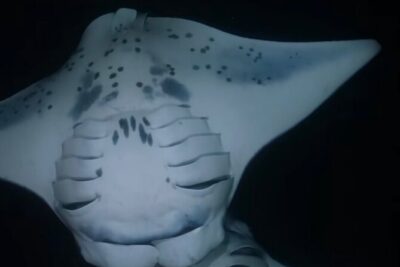
KONA Manta Ray Night Snorkel – FREE re-ride if no Sightings
Read our review →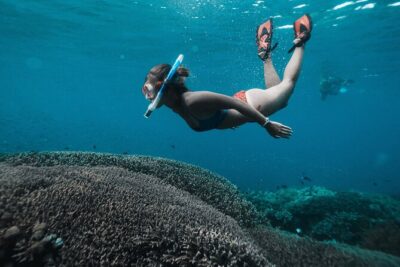
Nusa Penida day trip: boat, 4 snorkeling, Manta rays & Land tour
Read our review →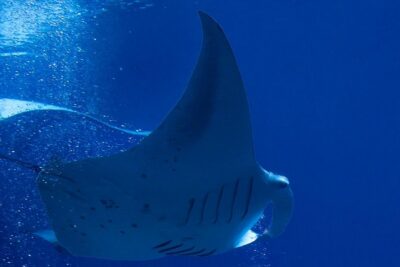
Bali/Nusa Penida: Manta Point Snorkeling & West Coast Tour
Read our review →
Glow of the Deep: Night Snorkeling with Manta Rays
Read our review →Lists this trip appears in