REVIEW · WHALE SHARK AND MANTA RAY SNORKELING
Manta Ray Night Snorkel from Kona — Small Group
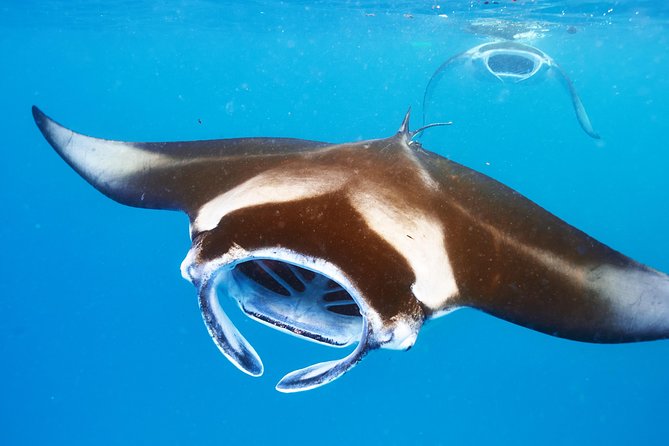
Kona’s manta ray night snorkel puts you in the water just as the sun fades and the ocean turns black. Underwater lights gather plankton, and manta rays can circle within inches of you, sometimes rolling and turning beneath the floating group. Some reach 20 feet across, though many seen here are smaller.
I like the small maximum group of 16, which means less waiting to enter the water and more help from the crew. I also like the relaxed pace: this operator runs one evening trip, so the captain can spend time at the site instead of rushing back for another departure.
The main concern is physical access. You must be able to get into and out of the water from a small boat, and the 265-pound weight limit is strict. Pregnant women and children under 5 cannot join, and the tour is not suitable for anyone needing an accessible boat setup.
Key points to know before booking
- Mantas feed almost within arm’s reach: Underwater lights attract plankton, bringing the rays close to the surface.
- The group is capped at 16 people: That is a useful middle ground between a private charter and a crowded large boat.
- The boat leaves at sunset: You get a scenic ride out and a starry return, but you should bring warm clothes for the trip back.
- Chris, Kris, Ryan, Tori, Mark, and Gary are among the crew names praised by name: The exact staff can vary, but the guiding style centers on safety and hands-on help.
- A free second outing is offered if no manta appears: This reduces the risk of paying for a memorable setup with no animals.
- You need to arrive 15 minutes early at Honokohau Harbor: The precise departure location and directions are sent 24 hours before the trip.
Why the Kona manta snorkel is so special
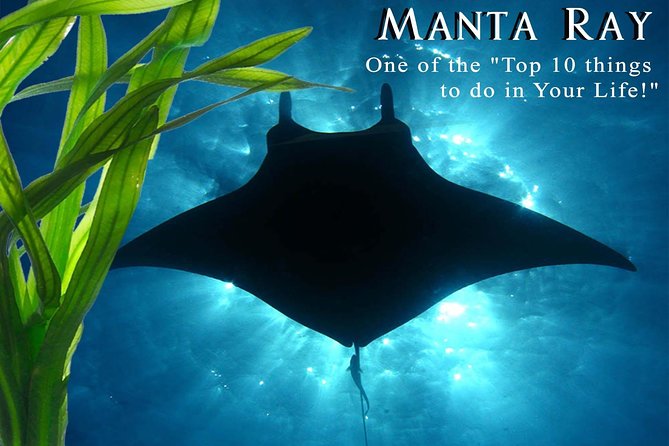
Most nighttime snorkeling feels like an exercise in trust. You are floating in dark water, looking down at a pool of light, waiting for something to appear. Here, the lights are the point. They gather plankton, and the plankton draws manta rays into a feeding area used off Kailua-Kona.
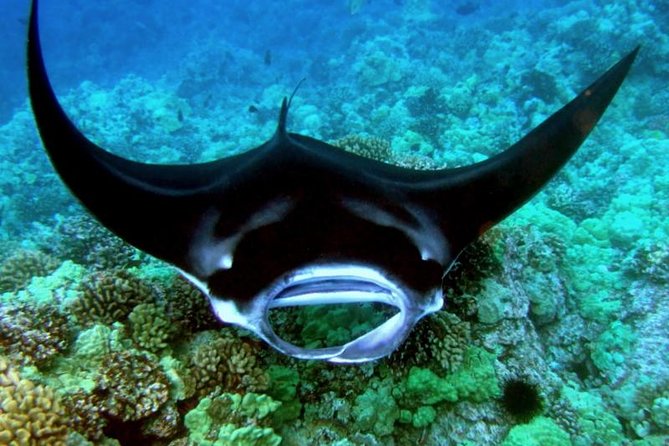
The rays are gentle, vegetarian animals. They do not have stingers, and they are not hunting fish around you. Their feeding pattern is what makes the experience so memorable: a manta glides through the light, banks into a turn, then loops back with its mouth open to filter plankton from the water.
You may see a broad-winged ray pass directly beneath you. You may also see barrel rolls, where the animal turns over and over in the light. The largest mantas can reach a wingspan of about 20 feet, although the rays you see may be much smaller. The point is not simply size. It is the quiet, close movement of an animal built like a flying carpet.
The experience has earned a 4.7 rating from 657 reviews, with 93 percent recommending it. That record fits the strongest pattern in the feedback: people repeatedly praise the close manta encounters, the small boat, and a crew that keeps nervous swimmers calm.
More Whale Shark and Manta Ray Snorkeling in Big Island:
- Big Island Manta Ray Night Snorkel
★ 5.0 · 5,656 reviews - Big Island: Kona Manta Ray Snorkel Tour in Keauhou Harbor
★ 4.5 · 2,465 reviews - KONA Manta Ray Night Snorkel – FREE re-ride if no Sightings
★ 5.0 · 2,212 reviews
Honokohau Harbor starts the evening
You make your own way to 74 Kealakehe Parkway in Kailua-Kona and should arrive at least 15 minutes before departure. The exact meeting details are sent 24 hours ahead, so keep an eye on your booking messages rather than assuming every trip uses the same dock position.
At the harbor, expect a safety briefing before you put on the provided wetsuit and snorkel gear. Flotation devices are included, and the crew can help you choose the setup that feels right. One useful detail from the trip reports is that less confident swimmers were given extra reassurance and flotation support rather than simply being left to manage on their own.
Wear your swimsuit under the wetsuit. Bring a towel, since towels are not provided. You should also pack a sweater, windbreaker, or other warm layer. The ride home can feel chilly after you have been in the water, even in Hawaii.
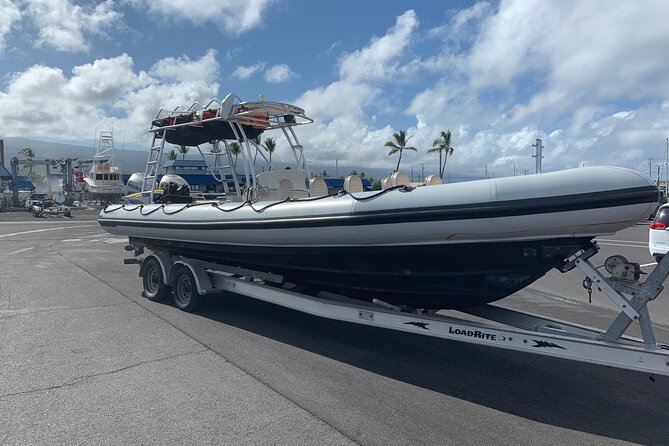
The boat is described as a small hard-hulled inflatable. That means you should expect a practical, open boat rather than a large vessel with a cabin and lots of room to walk around. The tradeoff is worthwhile for many people: a smaller boat can feel more personal and can get the group organized quickly, but it also offers less shelter from wind and spray.
The sunset ride to Garden Eel Cove
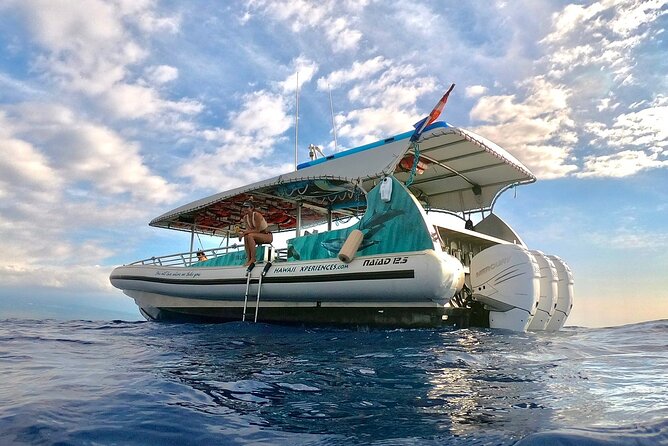
The ride to Garden Eel Cove, also called Manta Heaven, is part of the evening rather than dead time. The tour moves from sunset toward moonlight, giving you a changing view of the Kona coast and open ocean.
The sunset departure also helps with the mental hurdle of snorkeling at night. You do not jump straight into pitch-black water. You leave in daylight, watch the light fade, receive your instructions, and enter the water once the crew has set up the evening viewing area.
A major advantage of this operation is flexibility between two possible manta locations. The crew can choose a suitable site rather than being locked into one long route from a southern departure point. That choice matters because sea conditions and manta activity can vary, and a shorter boat ride leaves more time for the actual experience.
The return ride may offer stargazing, since the boat is open and the tour ends after dark. It is also when snacks and refreshments are available, including island juices, soda, bottled water, and light snacks. Do not expect a meal. Think of these as welcome refreshments after time in the water.
What happens at Manta Heaven
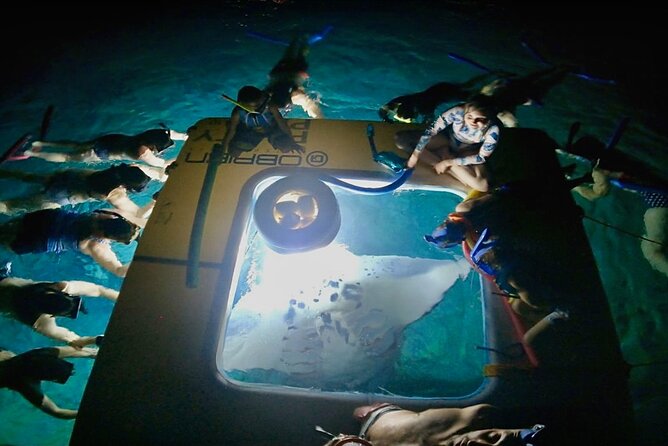
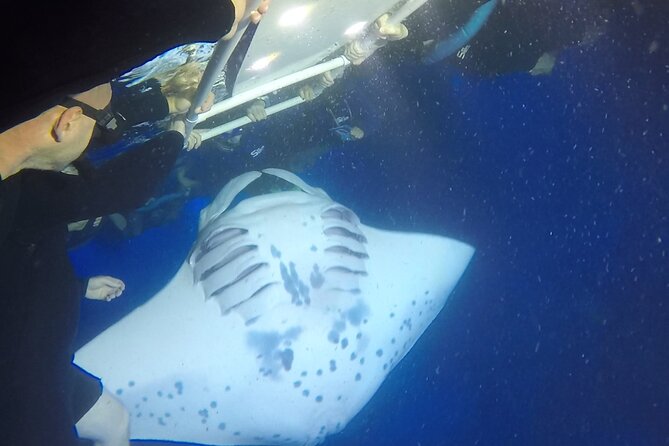
At the site, the crew uses lights to gather plankton near the surface. You hold onto a floating board or another flotation aid and look down into the lit water. Your job is simple: stay on the surface, keep your body calm, and let the rays move around you.
The guides give instructions about how to behave near the animals. The most important rule is to avoid touching them. The rays need room to move, and respectful conduct helps keep the feeding scene natural.
The water time can be substantial. One trip described about 40 minutes with the rays, while another reported roughly 45 minutes of feeding activity. Exact time depends on conditions, group needs, and manta behavior, but the one-trip-per-evening schedule gives the crew more room than a tightly packed schedule.
You may see one ray, several rays, or a busy feeding session. Sightings are not fully predictable, which is why the free return promise matters. If no manta appears, you can come back for another outing at no extra charge. You still need to follow the company’s arrangements for scheduling that return, but the guarantee takes some pressure off the booking decision.
The most common praise concerns proximity. Rays have been seen passing within inches of swimmers, looping back repeatedly, and barrel-rolling beneath the group. That is the best-case version of the experience, not a promise for every trip, but the location and lighting setup give you a real chance to see the animals close.
More Night Snorkeling Trips in Big Island:
- Manta Ray Night Snorkel at Kona, Big Island
★ 5.0 · 1,758 reviews - Glow of the Deep: Night Snorkeling with Manta Rays
★ 4.5 · 1,254 reviews - Manta Magic: Small-Group Manta Ray Night Snorkel in Kailua Kona
★ 5.0 · 1,141 reviews - Manta Ray Night Snorkel in Kona
★ 5.0 · 777 reviews
The crew makes a difference in dark water
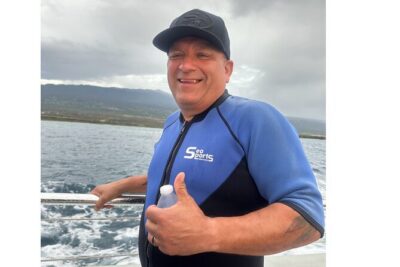
Several crew members receive repeated praise by name. Chris or Kris often appears as captain, while Ryan is described as both a guide and a licensed captain. Tori is praised for helping people who became seasick, and Mark and Gary are also mentioned for calm, capable support.
The useful point is not memorizing the staff list. It is knowing what kind of help to expect. The crew handles safety instructions, assists people into the water, explains manta behavior, and stays alert when someone is anxious or uncomfortable.
One account describes the crew responding quickly when a swimmer panicked. Another notes that a seasick passenger received patient care instead of being ignored. These details matter more than polished narration. At night, with salt water around you and a boat nearby, you want guides who pay attention to the people as well as the animals.
The small group helps here. With a maximum of 16 people, guides have a better chance of noticing who needs help. It also means less crowding around the floating platform. You are still sharing the site with other boats at times, but this is not a private manta encounter.
Comfort, swimming ability, and important limits
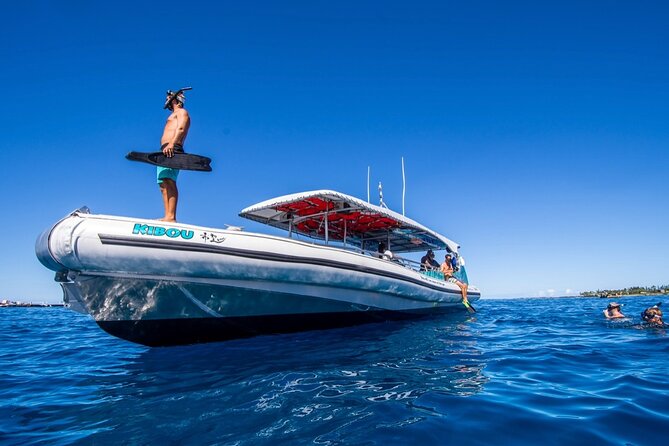
Most people can participate, but you should be honest about your water comfort and physical ability before booking. You must be able to use a small boat and enter and leave the water with crew assistance. The tour is not listed as wheelchair accessible.
The stated weight limit is 265 pounds. This is not a minor footnote. It relates to fitting the wetsuit, moving around the boat, and safely getting into and out of the water. Confirm that you meet the limit before paying, especially if you have mobility concerns or need special assistance.
Pregnant women are not permitted to join. Children under 5 are not permitted either. The tour can suit families with older children and teenagers, provided they can follow instructions and manage the ocean setting.
A flotation device can help a less confident swimmer, but it does not turn the trip into a dry sightseeing cruise. You will be in open water at night. If you are nervous, tell the crew before entering, and do not claim to be a swimmer if you are not one. Clear information helps the crew keep you safe.
Is $123 a fair price?
At $123 per person, this is not the cheapest evening activity on the Big Island, but the price includes the parts you would otherwise need to arrange: boat transport, wetsuit, snorkel equipment, flotation gear, instruction, refreshments, and a manta sighting guarantee.
The small group adds value. You are not paying for a fully private charter, but a cap of 16 people gives you more personal attention than a large boat with several dozen passengers. The one-trip-per-night schedule is another advantage if you dislike feeling rushed.
The price makes the most sense if seeing manta rays is a top priority for your Kona stay. It makes less sense if you want a casual boat ride with minimal physical effort. This is a purpose-built water experience, and the best value comes from spending meaningful time at the site, not from the snacks or boat ride alone.
Book ahead if your dates are fixed. The tour averages 33 days booked in advance, which signals that it can fill well before arrival. A free cancellation policy allows a full refund if you cancel at least 24 hours before the start time. Poor weather or failure to meet the minimum number of participants can also lead to a new date or a full refund.
Practical ways to enjoy the night
Plan this outing for a night when you do not have another demanding activity immediately afterward. You will be wet, possibly tired, and ready for a warm layer by the time the boat returns.
Bring only what you need. A swimsuit, towel, warm clothes, and any approved personal camera are the basics. A GoPro can be useful, and one guide reportedly helped with different camera angles, but you should not count on crew filming every person on every trip.
Eat sensibly before departure if you are prone to seasickness. The boat ride is not described as long, but open ocean can feel rough. If you start feeling unwell, tell the crew early.
Give yourself time to get comfortable with the darkness. Watch the sunset, listen to the briefing, and let the lights do their work. The experience is better when you stop trying to force a sighting and pay attention to the rays’ slow, repeated patterns.
Who should book this Kona manta tour?
I would choose this trip if you want a close wildlife encounter, prefer a smaller group, and are comfortable being in open water after dark. It is especially well suited to couples, families with older children, and anyone who wants a standout evening rather than another daytime snorkel.
It also suits cautious swimmers better than a bare-bones operation, because flotation gear and hands-on crew support are part of the setup. Still, you need enough mobility and water confidence to take part safely.
I would think twice if you dislike small boats, get seasick easily, cannot meet the weight limit, or need an accessible boarding arrangement. The boat has no promise of a dry, sheltered ride, and manta sightings, while strongly supported by the operation, can never be fully controlled.
Should you book the small-group manta snorkel?
Yes, if manta rays are high on your Big Island list. The combination of a sunset departure, flexible site choice, small group, substantial time at the lights, and a free return if no ray appears gives this tour strong value at $123.
Before booking, confirm the 265-pound limit and make sure everyone can enter and exit a small boat. Bring a towel and warm layer, arrive early, and tell the crew about your swimming ability. If those conditions fit, this is one of Kona’s most memorable ways to spend two evening hours.
FAQ
Where does the manta ray night snorkel begin?
The meeting point is 74 Kealakehe Parkway in Kailua-Kona, at Honokohau Marina and Small Boat Harbor. You should arrive at least 15 minutes before departure, and exact location details are sent 24 hours before the trip.
How long does the experience last?
The activity lasts about two hours, including the harbor departure, boat ride to Garden Eel Cove, time at the manta site, and the return to Honokohau Harbor.
Are wetsuits and snorkel equipment provided?
Yes. The tour includes snorkel gear, flotation devices, and wetsuits. You should wear a swimsuit and bring your own towel.
What should I bring for the return boat ride?
Bring warm clothes such as a sweater or windbreaker. The ride back can feel chilly after snorkeling. Towels are not included, so bring one.
What happens if no manta rays appear?
The tour offers a complimentary second outing if you do not see a manta ray during your trip.
Are there age, weight, or pregnancy restrictions?
Children under 5 and pregnant women cannot participate. The maximum stated weight is 265 pounds. The activity is not wheelchair accessible, and you must be able to manage entry into and exit from the water and boat.
Just added around Big Island
- Ultimate Ocean Encounters Midday Snorkel★ 4.5 · 43 reviews
- Two Tank Morning Reef Dive and Snorkel★ 5.0 · 54 reviews
- Waikoloa Catamaran Snorkel Sail Including Lunch★ 4.5 · 105 reviews
- Kona Luxury Catamaran Yacht Snorkel & Sail★ 5.0 · 40 reviews
- Manta Ray Night Snorkel Tour in Kailua-Kona, Big Island★ 5.0 · 382 reviews
- 2-Hour Dolphin Watching and Double Reef with Snorkel in Hawaii★ 5.0 · 23 reviews
- Sunset Cruise & Manta Night Snorkeling Charter★ 5.0 · 16 reviews
- Private Big Island Snorkeling★ 4.5 · 30 reviews
Whale Shark and Manta Ray Snorkeling, compared.
️Nusa Penida by Private Boat – Snorkeling 4 spots, Swim with Mantas + Land Tour
Read our review →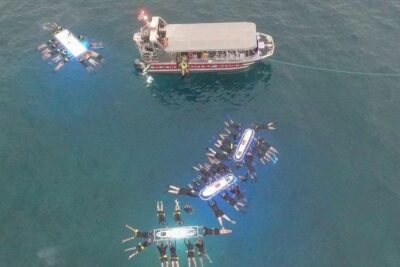
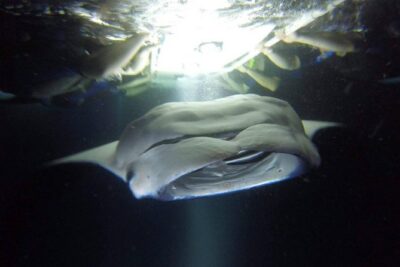
Kona Manta Ray Snorkel Tour in Keauhou Harbor
Read our review →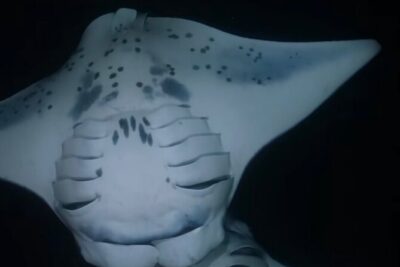
KONA Manta Ray Night Snorkel – FREE re-ride if no Sightings
Read our review →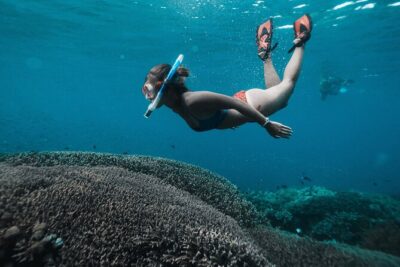
Nusa Penida day trip: boat, 4 snorkeling, Manta rays & Land tour
Read our review →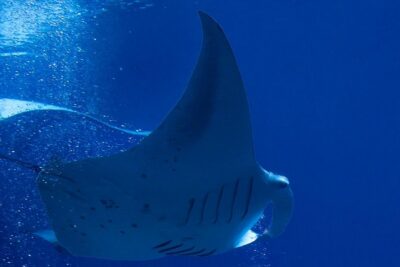
Bali/Nusa Penida: Manta Point Snorkeling & West Coast Tour
Read our review →