
REVIEW · NIGHT SNORKELING TRIPS
Bioluminescent Night Snorkeling
The best part of this Bonaire night snorkel is the sudden sparkle in the water. Move your hands or kick gently, and tiny organisms may flash around you like scattered stars. I like the small group limit of eight, and I like that the guide explains both the science and the limits of what can be seen on a particular night.
You also get a careful shore-entry briefing and safety lights, which matter when you are walking into dark water. The main drawback is that the display is natural and changeable. Promotional photos can suggest a brighter show than the sea delivers, and jellyfish may force an early finish.
Key points to know before you book
- The glow comes from living marine organisms: The experience focuses on ostracods, dinoflagellates, and other bioluminescent or fluorescent sea life.
- The tour begins from shore: You do not board a boat, but you should be comfortable entering the sea from land in darkness.
- Complete darkness matters: Safety lights are used to reach the entry point, then the group limits light in the water so the glow can be seen.
- The group is capped at eight people: That gives the guide a better chance to watch the group and answer questions.
- Jellyfish are a real consideration: If conditions suggest a high chance of stings, the guide may stop early and offer another evening at no extra charge.
- The price is $66.01 per person: For 90 minutes of instruction, equipment, and guided night snorkeling, that is fair if the natural display is active.
Why Bonaire’s night sea can glow
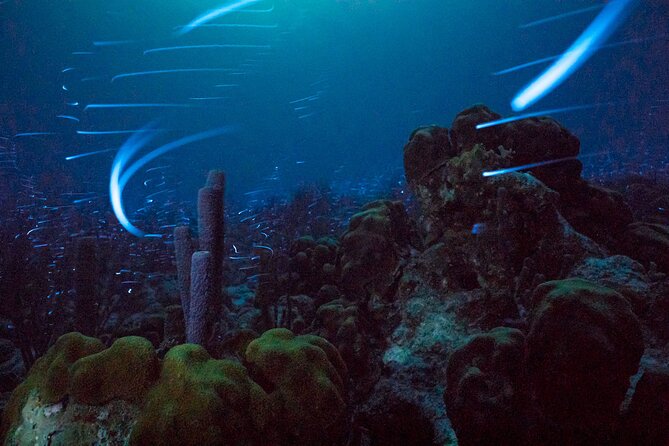
Bioluminescence is light made by living organisms. In the Caribbean, this may include tiny dinoflagellates and ostracods. They do not behave like underwater lamps waiting to be switched on. Their light appears in response to movement, disturbance, or the right conditions.
That distinction is important. You are not booking a guaranteed light show with the same appearance every night. You are entering a natural setting and looking for brief flashes, glowing specks, or other signs of marine life after sunset.
The guide introduces the subject before you enter the water. You get an explanation of what bioluminescence is and why ostracod displays are unusual in the Caribbean. That short lesson gives the activity more meaning. Instead of simply seeing bright dots, you learn what may be making them and why the timing and conditions matter.
The display can vary from one evening to the next. The guide explains what you are likely to encounter on your date, based on the circumstances. This honest approach is useful, though it also means you should arrive with realistic expectations.
More Night Snorkeling Trips in Bonaire:
- Sunset- night snorkel trip
★ 5.0 · 23 reviews - Night Snorkeling Adventure
★ 5.0 · 18 reviews - Big Island Manta Ray Night Snorkel
★ 5.0 · 5,656 reviews
Meeting at 7:00 pm in Kralendijk
The listed meeting point is Zhung Kong Supermarket at 98 Kaya Gob. N. Debrot in Kralendijk. The activity starts at 7:00 pm and ends back at the meeting point. Pickup is offered, so confirm the exact arrangement and address before the evening begins.
That last step matters. A pickup problem has been reported when the guide was unable to reach the correct address, so do not treat pickup as automatic without checking the details. If you are meeting at the supermarket, arrive with enough time to find the guide, organize your belongings, and prepare for an activity that begins after dark.
The tour lasts about 1 hour and 30 minutes. The time includes the explanation, safety briefing, equipment fitting, water entry, snorkeling, and conversation afterward. It is not simply 90 minutes of swimming.
The mobile ticket is handy, especially if you are moving around Bonaire without a printed document. Confirmation is provided when you book. The experience also has free cancellation up to 24 hours before the scheduled start time. Weather-related cancellations offer a new date or a full refund.
The briefing sets the tone
Before entering the sea, the guide explains how the group will snorkel and what you should and should not do. This is especially valuable at night, when ordinary visual cues disappear and the group needs to move in a controlled way.
You are fitted with snorkel equipment and shown how the lights will be used. The lights are safety tools for reaching the water and making the entry safely. Once in the sea, the guide shows you how to look for the glow while keeping the surrounding water as dark as possible.
The briefing should help you understand the difference between safety and sightseeing. You need light to walk and orient yourself at the shore, but too much light in the water can make the bioluminescence harder to see. Following the guide’s instructions is part of getting the best view.
This is also the right time to ask questions. The guides discuss what is currently known about bioluminescence and ongoing studies. They do not pretend that every detail about these organisms is settled, which makes the science talk more useful than a memorized speech.
Entering the water from shore
The group enters from shore rather than taking a boat. That keeps the cost down and makes the activity straightforward, but it also means you need to be comfortable with a shore entry at night.
The guide uses a light to lead the group to the safe entry point. After that, you move into darkness and begin watching for signs of living light. Your own movement may create small flashes in the water, which is why gentle motion and patience matter.
This is not the kind of snorkeling where you race from one attraction to the next. The goal is to watch, move carefully, and let your eyes adjust. You might see different kinds of bioluminescent organisms depending on the evening. The guide can explain what is happening as you notice it.
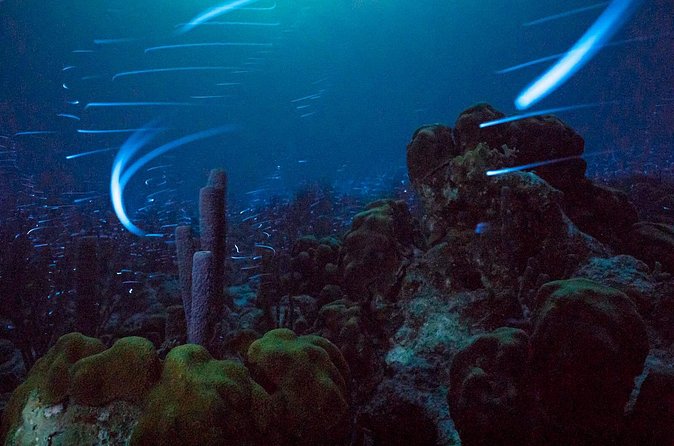
The water may also reveal fluorescent marine life, although the exact encounters are not promised. The activity is built around natural conditions, so one night may feel more dramatic than another. That uncertainty is part of the experience, but it is also the reason not to book it expecting the exact scene shown in a promotional photograph.
A few more days in the water around Bonaire worth a look
- Double Dip Snorkel Trip
★ 5.0 · 1,305 reviews - Clearbottom Mangrove Kayak & Snorkel tour
★ 5.0 · 597 reviews - Klein Bonaire Marine Park Snorkeling Excursion
★ 5.0 · 343 reviews - Luxury snorkel trip on a spacious wooden schooner and local lunch
★ 5.0 · 284 reviews
What the glowing encounter feels like
The strongest moment comes when the water reacts to movement. A hand sweep or gentle kick can produce tiny flashes around you. One particularly enthusiastic description of the experience involved playing with the glowing organisms and seeing the water glitter during the swim.
That gives you a good idea of the appeal. The spectacle is close and interactive, not something you watch from a distance. You are part of the movement that reveals the light.
At the same time, the glow may be limited. A separate account described only brief exposure to the photoluminescent organisms and felt the imagery created an inaccurate expectation. I would treat the marketing photographs as an illustration of what can happen, not a promise of brightness or volume.
Your best strategy is to focus on the event’s unusual quality rather than its scale. Even a modest display can be memorable because the light is produced by living creatures and appears in response to your movement. If you need a guaranteed, constant spectacle, this may frustrate you.
A closer look at the science
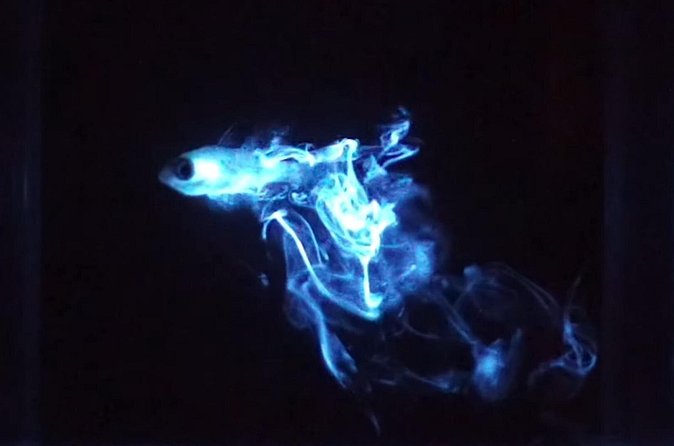
The guide’s explanation of ostracods is one of the more distinctive parts of the tour. These small marine creatures are associated with short bioluminescent displays, and the guide explains why their Caribbean behavior is special.
You also have a chance to discuss dinoflagellates and the broader idea of living light. The information is presented as an active area of study, not a subject with every answer already known. That makes the activity a good fit for anyone who likes natural science and observation.
I appreciate that the experience leaves room for questions after the swim. If you want to know more once you are back on shore, the guide is willing to continue the conversation when conditions allow. The follow-up discussion can help connect what you just saw with the basic biology explained before entering the water.
Keep your questions practical. Ask what organisms were likely present, why the light appeared when it did, and how conditions affect the display. You will get more from the tour if you treat it as a guided observation rather than a staged performance.
Jellyfish, darkness, and other practical concerns
Night snorkeling brings a greater chance of encountering jellyfish. If the guide believes the risk of stings is high, the outing may end early. In that case, you are offered another evening at no extra charge.
That policy is sensible, but rescheduling may not suit a short visit to Bonaire. If your trip schedule is tight, keep this possibility in mind when choosing the date. The weather policy also allows a different date or a full refund if poor conditions cancel the activity.
A long-sleeved wetsuit, rash guard, or other protective water clothing is advisable if you have one. The supplied information does not promise that such clothing is included, so plan to bring your own protective layer if you prefer more coverage.
The activity is not recommended for people with medical or physical problems. Most people can participate, and service animals are allowed, but you should judge your own comfort with a dark shore entry and nighttime swimming. Ask questions before booking if you are unsure.
Is $66.01 a fair price?
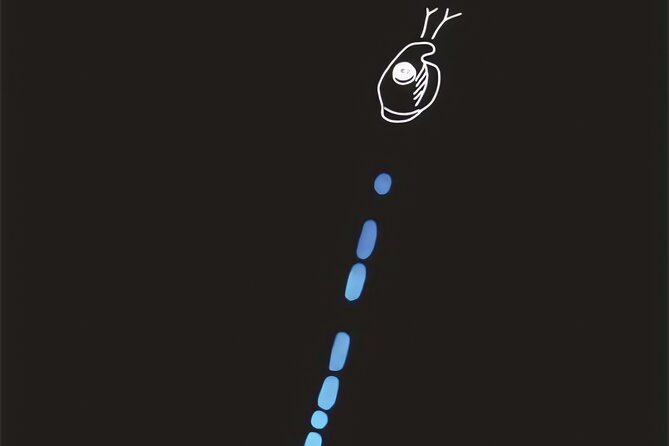
At $66.01 per person, the price is reasonable for a small, guided 90-minute activity that includes snorkeling equipment, instruction, safety support, and interpretation of the marine life.
The group limit is important here. With no more than eight people, the guide can keep track of the group more easily and answer questions without turning the experience into a large crowd. You are paying not only for time in the water, but also for the guide’s preparation and knowledge of where and how to look.
The value depends heavily on your expectations. If the night produces active bioluminescence and you enjoy the science, the price feels well judged. If you expect the water to glow continuously or look exactly like a bright promotional image, you may feel disappointed.
I would compare this price with what you want from a Bonaire evening. It offers a rare, nature-based activity without a boat trip or a full-day commitment. You can schedule it around a relaxed dinner or another daytime plan, provided you are ready for a 7:00 pm start.
Who will enjoy this most?
I would choose this tour if you already enjoy snorkeling and want to see Bonaire after sunset. You do not need to be an expert snorkeler, but you should be comfortable in the water and willing to follow directions closely.
It also suits curious people who enjoy asking questions. The discussion of ostracods, dinoflagellates, and current research adds a useful layer for anyone interested in marine biology.
The experience may not suit you if you dislike darkness, shore entries, uncertain conditions, or possible jellyfish encounters. It is also a poor match if you need a guaranteed visual spectacle. The guide can explain the conditions, but no one can command wild organisms to produce the same display every night.
Certified scuba participants have another option. A separate bioluminescent night scuba experience is offered, and getting into the middle of the glowing activity is presented as the stronger choice for certified divers. Do not book the snorkel simply because it is available if you already hold a scuba certification and prefer a more involved underwater experience.
My booking advice
Book this Bonaire night snorkel if you value a small group, local marine knowledge, and the chance to witness a natural event that changes from night to night. The best reason to go is not a guaranteed wall of light. It is the possibility of creating flashes with your own movement while learning what makes the Caribbean phenomenon special.
Before booking, confirm the pickup details, bring a rash guard or other protective water clothing if you have one, and leave room in your schedule in case weather or jellyfish conditions affect the outing. If you can accept some uncertainty, $66.01 is a fair price for this unusual 90-minute experience.
If you need certainty, bright displays, or easy sightseeing from a boat, choose something else. If you want a quiet, curious look at Bonaire’s nighttime sea, this is worth considering.
FAQ
Where does the bioluminescent night snorkeling tour meet?
The listed meeting point is Zhung Kong Supermarket at 98 Kaya Gob. N. Debrot in Kralendijk. Pickup is also offered, so confirm the exact pickup details before the evening begins.
What time does the activity start?
The tour starts at 7:00 pm and ends back at the meeting point.
How long does the tour last?
The experience lasts approximately 1 hour and 30 minutes.
What marine life might I see?
The tour focuses on bioluminescent and fluorescent marine life, including ostracods and dinoflagellates. The exact organisms and intensity of the display depend on the conditions that night.
What happens if jellyfish make snorkeling unsafe?
The guide may end the excursion early if there is a high chance of jellyfish stings. You will then be offered another evening at no extra charge.
Can certified scuba participants book a different version?
Yes. A separate bioluminescent night scuba experience is offered for people with scuba certification.
Just added around Bonaire
- Sunset- night snorkel trip★ 5.0 · 23 reviews
- Swim & Reef Snorkeling Bonaire★ 5.0 · 13 reviews
- 100% Private Charter Snorkel, Sail, Relax (Cruisers Friendly)★ 5.0 · 115 reviews
- E-Snorkeling tour in Bonaire with easy Sea Scooters★ 5.0 · 82 reviews
- Snorkel with Turtles & see the Flamingos★ 4.5 · 41 reviews
- Catamaran Snorkel & BBQ Sail (cruise friendly)★ 5.0 · 196 reviews
- Private Sunset Dinner Cruise in Bonaire w/ Sailing & Snorkeling★ 5.0 · 15 reviews
- Private Half day REVOLVE Boat & Snorkeling tour in Bonaire★ 5.0 · 26 reviews
Night Snorkeling Trips, compared.
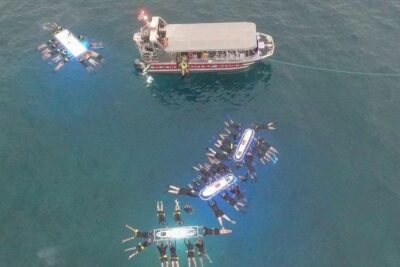
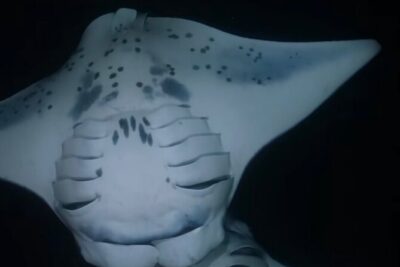
KONA Manta Ray Night Snorkel – FREE re-ride if no Sightings
Read our review →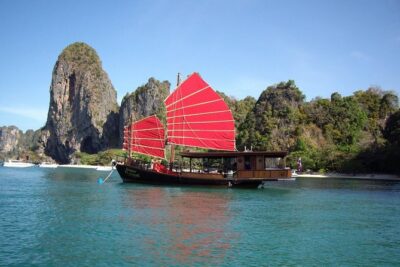
Krabi 4 Island Sunset Snorkeling Cruise + Bioluminescent Swim
Read our review →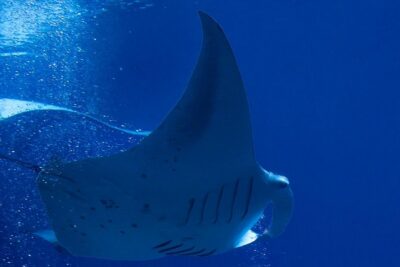
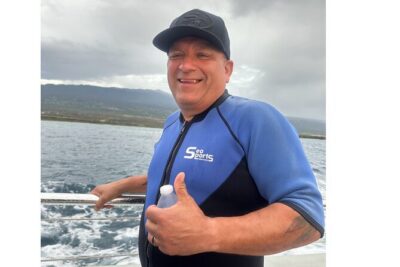
Glow of the Deep: Night Snorkeling with Manta Rays
Read our review →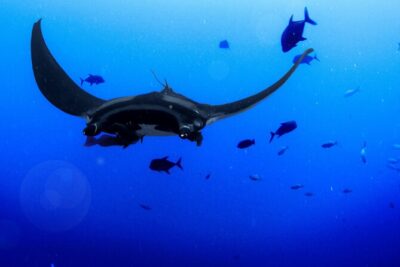
Manta Magic: Small-Group Manta Ray Night Snorkel in Kailua Kona
Read our review →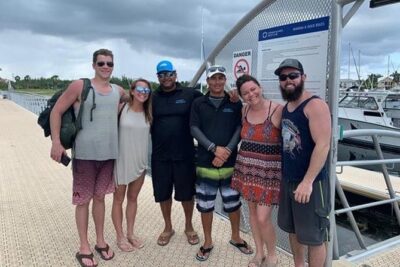
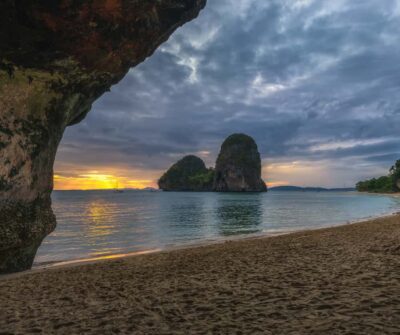
Bioluminescent Plankton, Snorkeling & Sunset Tour
Read our review →Lists this trip appears in