REVIEW · WHALE SHARK AND MANTA RAY SNORKELING
Manta Ray Night Snorkel Tour from Kona
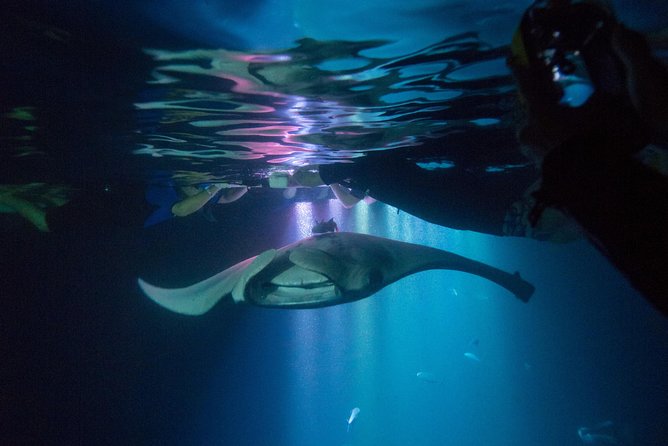
The main event is wonderfully simple: you float in dark Kona water while manta rays up to 15 feet wide glide beneath the boat. The lights draw plankton toward the surface, and the rays follow their dinner, often sweeping close enough for you to see their eyes and winglike fins clearly.
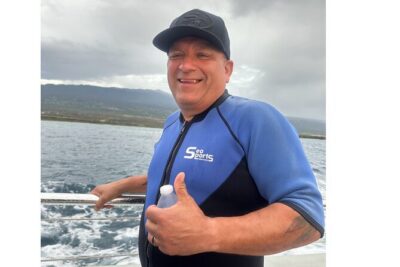
I like the short ride to the viewing area, which matters if you are prone to seasickness. I also like the thoughtful finish: wetsuits and gear are included, and the crew serves warm soup, bread rolls, and hot drinks when you climb back aboard. Captain Tim Mitchell and his crew have earned especially warm praise for making nervous swimmers feel secure.
The catch is that nature does not take reservations. Manta activity can be excellent, but there is no guarantee, and rough water can leave you cold, seasick, or tired from holding the viewing platform. You also need real swimming and snorkeling ability, not just a willingness to try.
Key points to know before you book
- Mantas feed at night: Boat lights gather plankton, giving you the best chance to see rays working the water.
- The rays can come within inches: Their size is startling, but they are gentle animals with no teeth, stingers, or barbs.
- The boat ride is short: The viewing site is only about five minutes away according to the supplied trip details.
- Warm food is part of the value: Soup, bread rolls, and hot chocolate or another hot drink await you after the swim.
- This is not for weak swimmers: A moderate fitness level and previous snorkeling experience are required.
- Plan for a group of up to 26: The boat is large enough to handle the group, but this is still a shared-water experience.
Why Kona’s night manta snorkel is so special
Kona’s manta encounter works because it follows the animals’ feeding routine rather than trying to chase them. Tiny plankton rises toward the surface after dark, and bright underwater lights gather it in one place. Manta rays then sweep through the illuminated water with their mouths open, filtering food as they move.
You are not feeding the rays or touching them. You hold onto a floating viewing platform while the animals pass below and around you. This is a much better arrangement for both you and the mantas than trying to swim after them.
The rays may look intimidating at first. Their wings can stretch beyond 15 feet, and they sometimes pass so close that a fin brushes a swimmer. Still, they are not like stingrays. Mantas have no teeth, stingers, or barbs, and the experience is built around watching rather than handling them.
The best moments come when a ray turns on its side or rolls beneath the lights. You can see the graceful movement of its body, the pale underside, and the way it uses the lighted water to find food. Even a single close pass can make the outing worthwhile. When several rays arrive at once, the scene becomes almost dreamlike.
More Whale Shark and Manta Ray Snorkeling in Big Island:
- Big Island Manta Ray Night Snorkel
★ 5.0 · 5,656 reviews - Big Island: Kona Manta Ray Snorkel Tour in Keauhou Harbor
★ 4.5 · 2,465 reviews - KONA Manta Ray Night Snorkel – FREE re-ride if no Sightings
★ 5.0 · 2,212 reviews
Arriving at Kaleiopapa Street
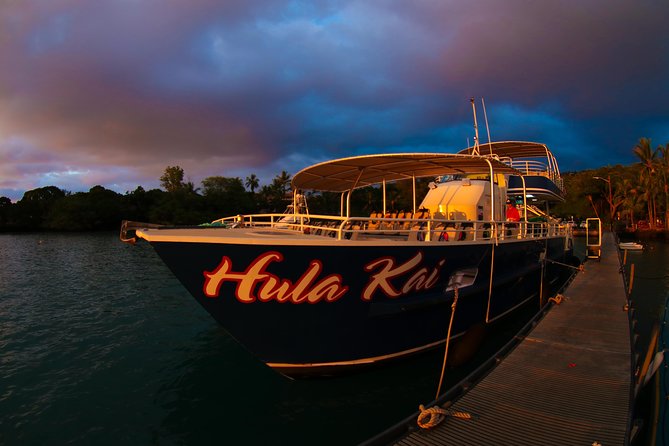
You meet at 78-7130 Kaleiopapa Street, Kailua-Kona, 30 minutes before departure. That extra time is useful. You need to check in, find the correct boat operation, receive gear, and get into your wetsuit before boarding.
Parking and locating the right departure point can take longer than expected, so do not aim to arrive at the exact departure time. The meeting area is associated with Fair Wind Big Island Ocean Guides in the supplied trip details, while Kona Sunrise Charters is identified as the experience provider. Check your confirmation carefully and use the address above rather than relying only on a general map pin.
There are four departure times to choose from. That gives you some control over your evening plans, though the actual start time affects how dark the sky and water feel. If you have a dinner reservation or another evening activity, leave enough room for check-in, the boat ride, the water time, and the return to shore.
Bring a towel and a sweatshirt or warm layer. The boat supplies a wetsuit, but you can still feel chilled when you leave the water, especially if the wind picks up. A towel is not listed among the inclusions, and several people wished they had brought one.
A short boat ride to the lighted water
Once everyone is checked in and fitted with equipment, you board with your guide and head out under the moonlight. The ride to the manta area is reported as roughly five minutes, a real advantage for anyone who gets queasy on boats.
That short run also keeps the outing focused. You are not spending most of the evening crossing open water. The boat reaches the known feeding area quickly, and the crew can begin explaining the equipment, entry, and behavior expected around the mantas.
The boat carries up to 26 people. That is not a private outing, but it is a manageable group size for a guided water activity. The supplied details describe a vessel that is neither very large nor cramped, with a platform that lets everyone get into the water without a long wait.
Boat motion can still be an issue. One particularly useful piece of advice is to consider Dramamine if you are prone to seasickness. Some people have felt fine on the short ride, while others have found rough water uncomfortable both on the boat and while floating in the ocean.
Entering the water with a wetsuit and pool noodle
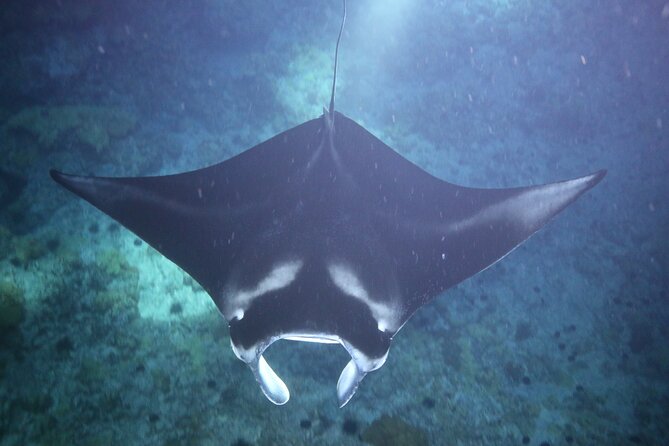
The crew provides snorkel equipment, a wetsuit, instruction, and a pool noodle or similar floating aid. You enter by a small ladder and make a short swim to the illuminated viewing platform.
That swim is brief, but you should be comfortable using a snorkel in open water. The tour is not recommended for non-swimmers, beginner swimmers, or anyone without snorkeling experience. Guests under 18 must be accompanied by an adult.
Full-face snorkel masks are not permitted on the vessels. You will use standard snorkel gear, so make sure the mask fits before leaving the dock. One person found that a leaking mask spoiled part of the experience, and the practical lesson is clear: if water enters around your nose or mouth during the fitting, ask the crew to adjust or replace it immediately.
Once you reach the platform, the usual position is face down, supported by the noodle, with your hands on the platform. You are looking into the illuminated water while the crew helps manage spacing and equipment. A safety swimmer is also present in the water, which can be reassuring if the dark ocean makes you uneasy.
Your shoulders and arms may begin to tire. Many people grip the platform tightly at first, especially when a large ray approaches, but a relaxed hold saves energy. Let the float support your legs and keep your breathing steady.
More Night Snorkeling Trips in Big Island:
- Manta Ray Night Snorkel at Kona, Big Island
★ 5.0 · 1,758 reviews - Glow of the Deep: Night Snorkeling with Manta Rays
★ 4.5 · 1,254 reviews - Manta Magic: Small-Group Manta Ray Night Snorkel in Kailua Kona
★ 5.0 · 1,141 reviews - Manta Ray Night Snorkel in Kona
★ 5.0 · 777 reviews
Watching manta rays feed below you
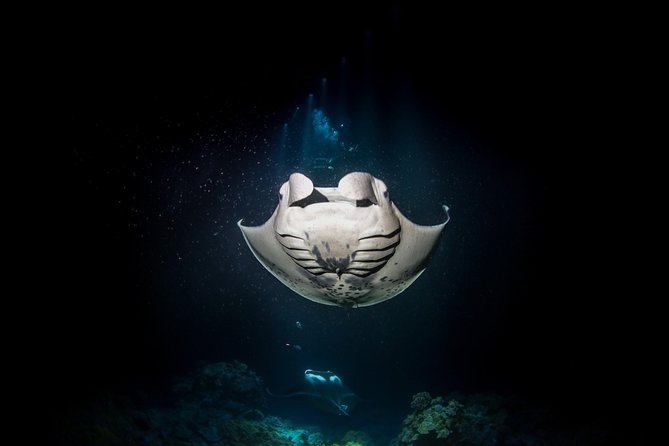
The lights are the heart of the experience. They are designed to be safe for the mantas while drawing plankton close to the surface. You look down into the blue glow as rays arrive to feed.
Manta behavior can change from night to night. On a strong evening, you might see four or five at once, with larger animals circling repeatedly under the platform. Some reports describe eight or nine rays, and one group counted roughly ten together. On a weaker night, you might see only a few, or none at all.
That uncertainty is part of the bargain. The tour gives you a well-designed chance to see wild animals, not a staged performance. One especially useful tip is to stay in the water until the end of the scheduled period. Mantas may become more active during the final 15 minutes, so leaving early can mean missing the best action.
The animals sometimes pass within inches of swimmers. A ray may skim along the bottom of the platform, turn upward, and roll past your face. You should never reach out to touch it, but you may feel a brush if one comes close. The crew’s job is to keep the interaction safe and respectful.
The blue lighting can also make the night water feel less frightening. You are not looking into complete darkness. The illuminated area gives you a clear point of focus, and the crew remains nearby to help with gear or nerves.
Still, the ocean is not a swimming pool. Swells can lift and lower you for the entire viewing period. You may get tired, seasick, or cold, even with a wetsuit. If you are anxious about the dark water, tell the crew before entering. The experience is more enjoyable when they know what kind of help you need.
What happens after the snorkel
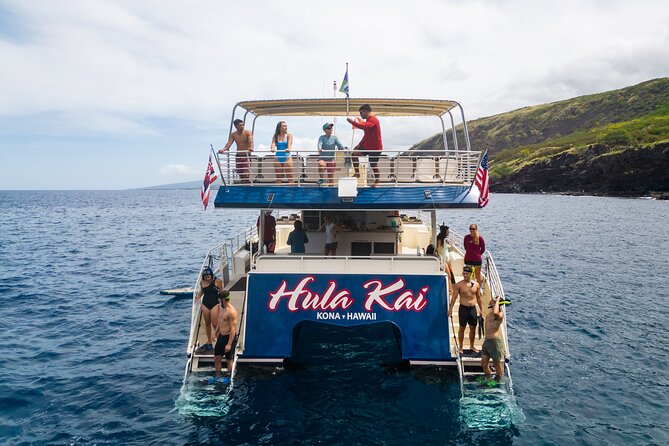
When your water time ends, you return to the boat by the ladder, remove the snorkel gear, and dry off. This is when the towel and warm layer earn their place in your bag.
The crew serves warm homemade soup, bread rolls, and hot drinks. Hot chocolate is specifically mentioned among the refreshments, and beer and wine are available to purchase if you want something alcoholic after the swim. The soup is more than a small extra. After floating in the night water, a warm cup helps you settle before the ride back.
The boat returns to the same meeting point. The full experience lasts about 1 hour and 30 minutes, including the short ride out and back, preparation, and time in the water. It is long enough to feel like a real evening activity without taking over an entire day.
Is $160.50 a fair price?
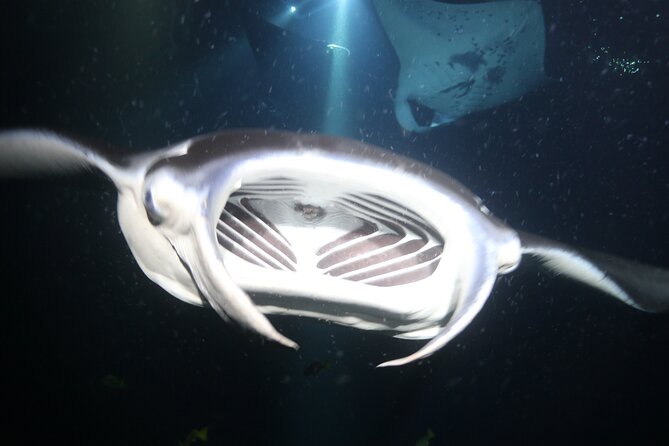
At $160.50 per person, this is not a bargain outing, but the price covers more than a short boat trip. You receive the manta snorkel, equipment, wetsuit, instruction, a guided water session, and post-swim food and drinks.
The value depends heavily on what you want from a Kona evening. If you are looking for a guaranteed wildlife sighting, no tour can provide that. A poor night can leave you feeling the cost sharply, especially if you spend much of the session watching empty water.
If you see several large rays at close range, the price feels more reasonable. You are paying for access to a wild feeding site, boat support, safety help, and the chance to watch a rare animal from only inches away. The short ride is another practical benefit because less time is lost to transport and more of the outing is spent at the site.
The maximum group size of 26 keeps this from being a private encounter. If you want a quiet, personal experience with no other swimmers nearby, look for a smaller charter. If you are comfortable sharing a platform and want a well-supported introduction to night snorkeling, the price is easier to justify.
Who should book this Kona experience?

I would recommend it most strongly to confident swimmers, regular snorkelers, families with older children, couples, and anyone fascinated by marine life. The experience also suits people who want a memorable evening activity without committing to a full-day excursion.
It can work for a nervous swimmer if you are still comfortable in open water and willing to tell the crew what worries you. The support from the boat crew and in-water safety swimmer can help, but you should not book this as a way to learn basic swimming.
Pregnancy requires personal judgment and medical advice. One person was allowed to participate at six months pregnant, but that does not mean the activity is right for everyone. The water can move with the swell, and getting in and out of the boat requires moderate physical ability.
This is a poor match for anyone who dislikes cold water, boat motion, or shared group activities. It is also a poor fit if you need a guaranteed sighting or if you cannot snorkel without a full-face mask.
Practical ways to make the night better
Arrive at least 30 minutes early, and give yourself extra time to find parking and the correct boat area. Confirm that the address in your booking matches 78-7130 Kaleiopapa Street before leaving your hotel.
Ask for a mask adjustment before the boat departs. A small leak becomes a major nuisance once you are holding the platform and trying to watch the rays.
Take Dramamine ahead of time if seasickness is a known problem. Do not wait until the boat is moving and you already feel ill.
Pack a towel, sweatshirt, and dry clothes. The soup and hot drink help, but they do not replace a dry layer after a long period in the water.
A small action camera can be useful if you have one. A head strap leaves both hands free, which is better than trying to hold a camera while gripping the platform. Bring it only if you can secure it properly and follow the crew’s instructions.
Finally, give the experience time. Mantas may not appear right away, and activity can increase near the end. Patience is one of the few things you can control.
Cancellation and weather details
You can cancel at least 24 hours before the scheduled start for a full refund. Changes or cancellations made less than 24 hours before departure are not accepted for a refund.
The outing depends on suitable weather and a minimum number of participants. If poor conditions or low enrollment force a cancellation, you are offered another date or experience, or a full refund.
Should you book the Manta Ray Night Snorkel from Kona?
Yes, if you are a capable swimmer who wants a close look at wild manta rays, and you can accept that nature may not perform on schedule. The short ride, supplied wetsuit, helpful crew, safety swimmer, and warm food make the outing practical as well as memorable.
Book with realistic expectations. You may see several huge rays circling within inches, or you may spend the session waiting in cold, moving water. Check the meeting address, arrive early, fix your mask before departure, bring a towel and warm layer, and stay until the end. With those precautions, this is one of Kona’s strongest evening choices for people who want a genuine marine encounter.
FAQ
How long does the Manta Ray Night Snorkel Tour last?
The experience lasts approximately 1 hour and 30 minutes, including the boat trip, preparation, snorkeling, and return to the meeting point.
Where do I meet the tour?
Meet at 78-7130 Kaleiopapa Street in Kailua-Kona, Hawaii, 30 minutes before your departure time. The activity ends at the same meeting point.
What equipment is included?
The tour includes snorkel equipment, a wetsuit, a pool noodle or floating aid, and instruction. Full-face snorkel masks are not permitted.
Are manta rays guaranteed?
No. Manta activity varies, and sightings are not guaranteed. The tour can also be canceled because of poor weather or because the minimum number of participants is not reached.
Is this tour suitable for non-swimmers?
No. You should have a moderate fitness level, swimming ability, and previous snorkeling experience. The experience is not recommended for non-swimmers or beginner swimmers.
What food and drinks are provided?
After snorkeling, the crew serves warm homemade soup, bread rolls, and hot drinks. Beer and wine are available to purchase, but they are not included.
Just added around Big Island
- Ultimate Ocean Encounters Midday Snorkel★ 4.5 · 43 reviews
- Two Tank Morning Reef Dive and Snorkel★ 5.0 · 54 reviews
- Waikoloa Catamaran Snorkel Sail Including Lunch★ 4.5 · 105 reviews
- Kona Luxury Catamaran Yacht Snorkel & Sail★ 5.0 · 40 reviews
- Manta Ray Night Snorkel Tour in Kailua-Kona, Big Island★ 5.0 · 382 reviews
- 2-Hour Dolphin Watching and Double Reef with Snorkel in Hawaii★ 5.0 · 23 reviews
- Sunset Cruise & Manta Night Snorkeling Charter★ 5.0 · 16 reviews
- Private Big Island Snorkeling★ 4.5 · 30 reviews
Whale Shark and Manta Ray Snorkeling, compared.
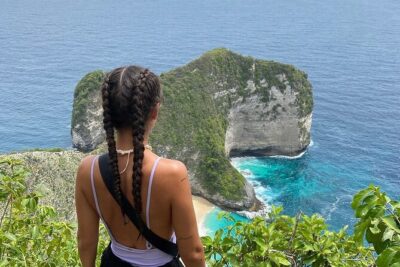
️Nusa Penida by Private Boat – Snorkeling 4 spots, Swim with Mantas + Land Tour
Read our review →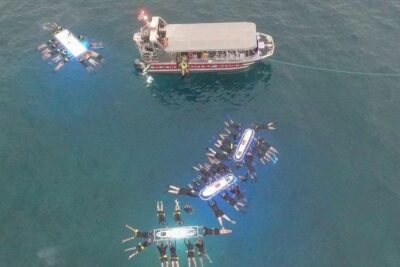
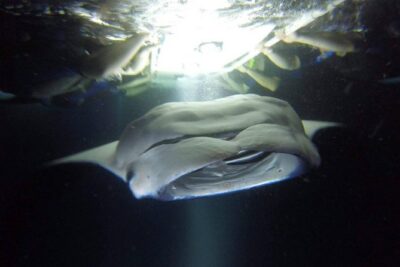
Kona Manta Ray Snorkel Tour in Keauhou Harbor
Read our review →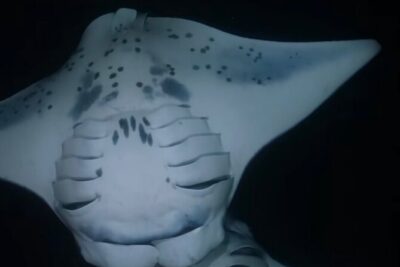
KONA Manta Ray Night Snorkel – FREE re-ride if no Sightings
Read our review →
Nusa Penida day trip: boat, 4 snorkeling, Manta rays & Land tour
Read our review →
Bali/Nusa Penida: Manta Point Snorkeling & West Coast Tour
Read our review →